Table of Contents (14 sections)
Effective communication strategies for sports teams are the bedrock of successful collaboration and performance. As sports evolve, so too does the complexity of interaction within teams, necessitating innovative communication approaches. This article delves into ten essential communication strategies that can significantly enhance teamwork across various sports disciplines.
1. Foster Open Lines of Communication
Creating a culture of open communication within a sports team is crucial for building trust and camaraderie. Teams should encourage players to voice their thoughts, concerns, and suggestions. Regular team meetings, both formal and informal, can facilitate this. For example, a football team could schedule weekly sit-downs to discuss players' performance and address any grievances. Research shows that teams with open communication channels tend to have higher morale and better performance outcomes.
2. Implement Regular Feedback Sessions
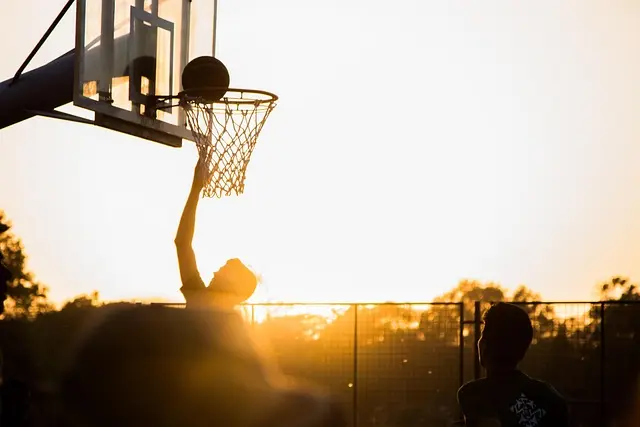
Feedback is vital in any team environment. Implementing regular feedback sessions allows team members to receive constructive criticism and praise, enhancing individual growth and team cohesion. Establish a routine where players receive feedback after practices or games. For instance, a basketball coach could use video analysis to provide immediate feedback to players on their performance, promoting self-reflection and improvement.
3. Utilize Technology for Communication
In the digital age, technology can enhance team communication significantly. Employing platforms like Slack, WhatsApp, or Trello can keep players informed and engaged, no matter their location. Many teams use these platforms to share training schedules, game strategies, and motivational content. This method not only improves communication efficiency but also allows for real-time updates and fosters a sense of inclusion.
4. Establish Clear Roles and Responsibilities
It’s essential that each team member knows their role within the team structure. By establishing and communicating clear roles and responsibilities, players can understand how their contributions affect team dynamics. For instance, in a volleyball team, the coach should clarify the specific duties of each position on the court. This clarity helps minimize confusion during games and maximizes each player’s effectiveness.
5. Foster Team Bonding Activities
Building relationships off the field can enhance on-field communication. Organizing team bonding activities, such as retreats or social outings, can strengthen connections among players. These activities promote a better understanding of each other’s personalities, leading to improved communication during high-pressure situations. Studies show that teams with strong interpersonal relationships are more resilient and perform better collectively.
6. Promote Positive Reinforcement
Fostering an environment of positive reinforcement can significantly impact player morale and performance. Coaches and team leaders should focus on celebrating successes, big or small. Acknowledging a player’s effort during practice boosts confidence and encourages a culture of support. For example, a coach could publicly praise a player’s defensive play during a match, reinforcing positive behavior and encouraging others to do the same.
7. Encourage Peer-to-Peer Communication
While coach-led communication is crucial, promoting peer-to-peer discussions is equally important. This can empower players to take ownership of their roles. Encourage teammates to support one another through constructive dialogue and shared insights. Implementing a buddy system can facilitate this; for instance, pairing experienced players with newcomers allows knowledge transfer and fosters confidence in communication.
8. Set Contextual Communication Goals
Establishing specific communication goals tailored to your team's unique needs can enhance focus and effectiveness. Whether it’s improving strategic discussions during games or enhancing player rapport, having clear objectives helps guide interactions. For example, if a basketball team struggles with executing plays under pressure, setting a goal to communicate play changes more effectively during practice can yield significant improvements.
9. Leverage Non-Verbal Communication
In the heat of competition, verbal communication may become less effective. Teaching players to recognize and utilize non-verbal cues can complement verbal strategies. Coaches should emphasize awareness of body language, gestures, and eye contact. For instance, using specific hand signals during a game can convey plays without alerting opponents.
10. Evaluate Communication Effectiveness Regularly
Finally, it’s essential to evaluate the effectiveness of your team’s communication regularly. Utilize surveys or direct feedback to assess what’s working and what needs improvement. For instance, after each season, a coach might distribute a survey to gauge players’ perceptions of team communication, allowing for adjustments that can enhance future performance.
📺 Resource Video
For further insights: [Effective Team Communication in Sports], an in-depth analysis of communication strategies in sports teams. Search on YouTube: "effective communication in sports teams 2026".
Glossary
| Term | Definition |
|---|---|
| Open Communication | A practice that encourages team members to express their thoughts candidly. |
| Non-Verbal Communication | Communication without words, utilizing body language and gestures. |
| Peer-to-Peer Support | A system where teammates encourage and support each other. |
Checklist for Effective Team Communication
- [ ] Foster open lines of communication.
- [ ] Implement regular feedback sessions.
- [ ] Use technology for seamless communication.
- [ ] Clarify roles and responsibilities within the team.
- [ ] Organize team bonding activities.
- [ ] Engage in positive reinforcement.
- [ ] Promote peer-to-peer communication.
- [ ] Set contextual communication goals.
- [ ] Leverage non-verbal communication.
- [ ] Evaluate communication effectiveness regularly.
🧠 Quick Quiz: Which communication strategy is essential for fostering trust?
- A) Regular feedback sessions
- B) Peer-to-peer communication
- C) Positive reinforcement
Answer: A — Regular feedback sessions help in building trust and improving team dynamics.
📺 Pour aller plus loin : effective communication in sports teams 2026 sur YouTube