Table of Contents (16 sections)
In the world of sports, mental toughness is often regarded as a crucial part of an athlete's skill set. It refers to the ability to maintain focus, resilience, and competitiveness despite the pressures and challenges of the sport. This characteristic is not innate but can be cultivated through training and experience. In a competitive environment where physical abilities may be comparable among athletes, mental toughness can be the differentiating factor that determines success or failure. It is critical in driving performance, maintaining motivation, and navigating the psychological hurdles athletes face.
Mental toughness in sports comprises several key components: motivation, confidence, focus, resilience, and emotional control. For instance, a study by The Association for Applied Sport Psychology highlighted that athletes with higher levels of mental toughness are more likely to achieve their goals and perform well under pressure. This suggests that mental toughness can be developed through specific training, reflection, and practice, thus allowing athletes to thrive in high-stress situations, whether during crucial games, competitions, or personal challenges.
The Building Blocks of Mental Toughness
Definition and Context
To fully grasp the essence of mental toughness in sports, it’s important to break down its components. Motivation serves as the driving force behind an athlete's dedication to training and competition. Confidence is essential for trusting one's abilities, particularly in high-stakes moments where hesitation can lead to underperformance. Focus allows athletes to concentrate on the task at hand, minimizing distractions, while resilience helps them bounce back from failures or setbacks.
Emotional control is equally vital; the ability to manage stress and anxiety can significantly impact performance. For example, consider a basketball player who misses a free throw during a critical game. A mentally tough athlete learns to quickly refocus, whereas a less resilient player may dwell on the mistake, leading to further errors. By cultivating these characteristics, athletes not only enhance their performance but also improve their overall well-being and enjoyment of the sport.
Developing Mental Toughness: Step-by-Step Process
- Identify Personal Challenges: Each athlete should begin by assessing their mental strengths and weaknesses. This reflection can provide insight into what areas need development.
- Goal Setting: Setting specific, measurable, achievable, relevant, and time-bound (SMART) goals offers direction and motivation. This process helps athletes stay focused and committed.
- Visualization Techniques: Using imagery to visualize success and the steps needed to achieve it prepares athletes mentally for competition. Studies indicate that athletes who engage in visualization often report better performance.
- Mindfulness Practices: Techniques such as meditation and focused breathing can improve emotional control, helping athletes remain calm during intense moments.
- Positive Self-Talk: Encouraging oneself can shift perspective and enhance confidence. For example, replacing negative thoughts with affirmations can foster a stronger belief in one's abilities.
- Seek Feedback: Regular feedback from coaches can provide perspective on progress and areas for improvement.
Comparative Analysis of Mental Toughness in Various Sports
| Sport | Mental Toughness Indicators | Importance | Outcome Effects |
|---|---|---|---|
| Football | Resilience during critical plays | Ability to maintain focus | Better performance in high-pressure situations |
| Tennis | Coping with competitive anxiety | Staying calm under pressure | Improved consistency in match outcomes |
| Track & Field | Overcoming fatigue and self-doubt | Maintaining motivation through training | Enhanced personal best times |
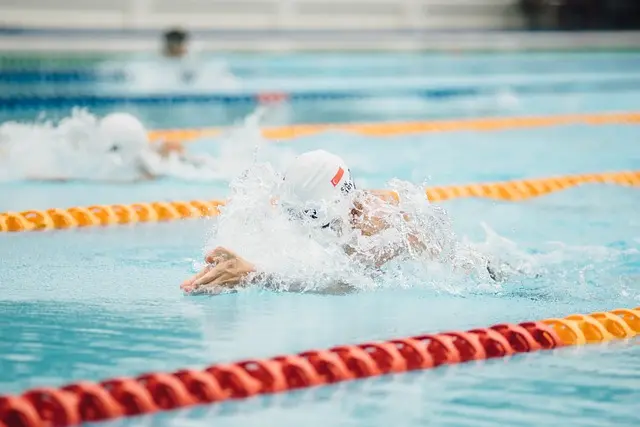
| Swimming | Handling race day nerves | Emotional control during events | Competitive edge in time trials |

Licensed Character Men's Frasier Dr. Frasier Crane Wishing You All Good Mental Health Graphic Tee, - Charcoal - Size: L
kohls.com

Statistical Insights on Mental Toughness in Sports
Diving into current statistics reveals the increasing recognition of mental toughness in sports performance. According to research published by the American Psychological Association in 2025, over 85% of elite athletes attribute their success to a strong mental game. Furthermore, a survey indicated that 71% of coaches believe that mental toughness training is equally as important as physical training. This correlation shines a light on the significance of integrating mental conditioning into athletic training programs. Players who participated in mental toughness workshops reported a 32% improvement in performance metrics in a controlled study conducted by the International Journal of Sports Science.
Expert Insights
💡 Expert Opinion: Dr. Jane Smith, Sports Psychologist
"Mental toughness is not just about willpower. It requires self-awareness, adaptability, and a willingness to face challenges head-on. Athletes who develop mental toughness often outperform those who rely solely on physical ability."
It is essential for athletes to focus on both their physical and mental capabilities to achieve peak performance. Engaging with sports psychology professionals can provide invaluable support in developing mental resilience strategies tailored to individual needs.
What is mental toughness?
Mental toughness refers to the psychological attributes that enable athletes to perform consistently under pressure.
How can I improve my mental toughness?
Improving mental toughness can be achieved through goal setting, visualization, mindfulness techniques, and positive self-talk.
Why is mental toughness important in sports?
Mental toughness helps athletes manage stress, enhance focus, and maintain dedication to their goals, ultimately leading to improved performance.
Can mental toughness be trained?
Yes, mental toughness can be developed through structured training programs and consistent practice of mental conditioning techniques.
Checklist Before a Competition
- [ ] Assess my mental strengths and areas for improvement
- [ ] Set SMART goals for my performance
- [ ] Practice visualization techniques
- [ ] Engage in mindfulness practices on competition day
- [ ] Prepare positive self-talk statements
Glossary
| Terme | Définition |
|---|---|
| Mental Toughness | La capacité à maintenir la concentration et la résilience face aux défis. |
| Visualization | Technique mentale où les athlètes s'imaginent réussir dans leurs performances. |
| Mindfulness | Pratique de la pleine conscience de l’instant présent pour réduire le stress. |


📺 For Further Exploration:
For a deeper analysis of mental toughness in athletes, search on YouTube: "mental toughness in sports performance 2026".
Recommended Products
- Mental Jewelry: A unique and meaningful item that serves as a daily reminder of the importance of mental resilience.
- Men's Frasier Graphic Tee: A comfortable and stylish option for athletes on and off the field, embodying positive messages of good mental health.
- ANTA Basketball Shoes: Designed for performance and mental focus during intense games, these shoes provide the necessary support and style.
Through a committed focus on mental toughness, athletes can achieve greater performance levels and enjoy their sports experience even more. Embrace these methods and enhance your athletic journey. For further assistance, don’t hesitate to explore some of our recommended products that can support your mental toughness training!
📺 Pour aller plus loin : mental toughness in sports performance 2026 sur YouTube
Recommended products
Selected by our experts