Table of Contents (12 sections)
As we look towards the future, youth sports trends are transforming the way young athletes engage in physical activities. With advancements in technology, changes in societal attitudes, and a greater focus on holistic development, the landscape of youth sports is evolving rapidly. This article explores several emerging trends that are set to shape the future of youth athletics.
1. Increased Focus on Inclusivity
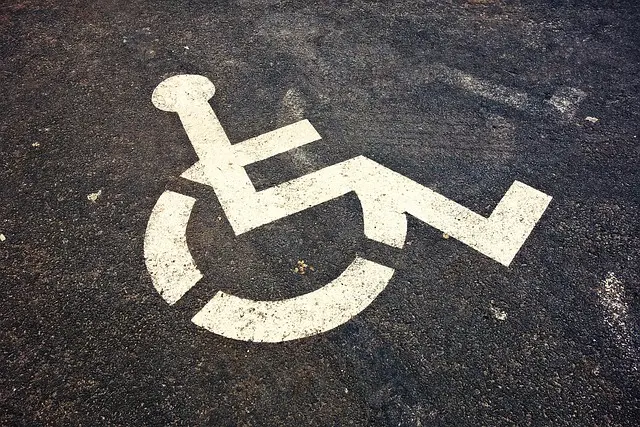
Inclusivity has become a cornerstone of youth sports, with programs designed to accommodate all abilities and backgrounds. Organizations are starting to prioritize participation over competition, reflecting a broader societal shift towards embracing diversity. For example, adapted sports programs are gaining traction, allowing children with disabilities to participate fully in sporting activities. According to recent surveys, 75% of parents believe that inclusive sports practices help develop empathy and respect among young athletes.
Furthermore, initiatives such as local community leagues emphasize the importance of providing everyone with opportunities to play. These leagues often offer training for coaches to ensure they understand how to support athletes with different needs. As inclusion becomes a norm, we can expect a more enriched experience for all participants.
2. Technology Integration in Training
With the rise of wearable technology, youth sports training is experiencing a technological revolution. Devices that monitor heart rate, movement patterns, and even hydration levels are becoming commonplace. Coaches can collect data to create personalized training programs, leading to improved performance and reduced injuries. A study led by The Aspen Institute found that athletes wearing performance tracking devices showed a 15% decrease in injuries in training sessions compared to those who did not.
Moreover, virtual reality (VR) and augmented reality (AR) tools are being explored as ways to enhance skill development and simulating game scenarios. As tech-savvy children engage with these tools, the potential for experienced-based learning will reshape how skills are taught and refined.
3. Emphasis on Mental Health
The mental health of young athletes is increasingly in focus as awareness about the importance of psychological well-being grows. Many sports organizations are now incorporating mental health education into their training. According to a report from Mental Health America, nearly 40% of youth sports participants reported feelings of anxiety or stress related to performance. Programs that provide mental coaching or resources can help children develop coping strategies and resilience.
Some teams have begun integrating sports psychologists into their training programs, emphasizing the significance of mental training alongside physical conditioning. This holistic approach fosters not only better athletes but also well-rounded individuals. Parents are encouraged to engage in conversations about mental health with their children, creating a supportive environment.
4. Adaptation of Training Methods
As youth sports evolve, so too do training methods. Traditional drills are being replaced by more relevant, game-like scenarios that focus on tactical understanding and decision-making. Coaches are encouraged to prioritize fun and engagement in training to foster a lifelong love for sports among youngsters. For example, small-sided games that emphasize teamwork and strategy allow kids to learn while having fun, ultimately enhancing their performance.
Research by The International Journal of Sports Science suggests that children engaged in varied training methods show increased overall athleticism and enjoyment. As we shift towards more creative training methodologies, young athletes may become more versatile and adaptable, crucial skills in any sport.
5. Rise of Alternative Sports
Future youth sports programs are witnessing substantial growth in alternative sports, such as skateboarding, parkour, and ultimate frisbee. These sports appeal to children seeking non-traditional athletic experiences. According to Statista, participation in alternative sports has seen a notable increase of over 20% in the last few years. As social media platforms highlight these activities, they help build communities of young athletes eager to showcase their skills.
Schools and recreational leagues are starting to incorporate alternative sports into their programming, recognizing that many students may prefer these activities over traditional sports. This diversification not only caters to a broader audience but also encourages youth to be active, regardless of their initial interest in conventional sports.
Comparative Table of Traditional vs. Alternative Sports
| Criteria | Traditional Sports | Alternative Sports | Verdict |
|---|---|---|---|
| Accessibility | Moderate | High | Alternative sports lead. |
| Social Media Influence | Limited | High | Alternative sports thrive. |
| Inclusivity | Growing | Strong | Inclusive designs advance. |
| Skill Development | Structured | Grooved & Creative | Both necessary. |
6. Environmental Sustainability
The younger generation is more environmentally conscious than ever, leading to a push for sustainability in youth sports. Programs that promote eco-friendly practices, such as minimizing plastic use during events or hosting ‘green’ training camps, are rising in popularity. According to a report by Green Sports Alliance, 65% of parents want their children’s sports programs to implement sustainable practices.
As a result, we’re seeing more sports organizations aligning with sustainable brands and practices. Eco-friendly equipment, such as recycled materials for uniforms, is becoming readily available. Schools and organizations that prioritize environmental stewardship will likely attract more participants who resonate with these values, creating a community focused on both health and sustainability.
7. Increased Support for Female Athletes
The growth of female participation in sports is noteworthy, with initiatives aimed at empowering young girls to get involved. Programs that focus on girls' sports not only bolster numbers but also provide a more supportive environment for young female athletes. Nike's recent campaign emphasizing girls’ involvement in sports has already demonstrated effectiveness, with a reported 10% increase in female participants in sponsored leagues.
Support structures, mentorship programs, and visibility through female role models in sports are essential for this trend to grow. As community support grows, so will the standard of female athleticism, inspiring the next generation of female athletes.
💡 Expert Insight: Programs that actively support and promote female athletes are investing not just in sports, but in social equity.
- What are the key trends in youth sports for 2026?
The key trends include increased focus on inclusivity, technology integration, mental health emphasis, diverse training methods, growth of alternative sports, sustainability efforts, and support for female athletes.
- How is mental health being prioritized in youth sports?
Many programs are integrating mental health education and sports psychologists to support athletes' psychological well-being.
- What role does technology play in youth sports?
Technology helps track performance metrics and injury prevention, enhancing training experiences for young athletes.
- Why are alternative sports gaining traction?
Alternative sports appeal to a wider range of children, promoting physical activity through non-traditional channels.
📺 For further exploration: Watch on YouTube about trends in youth sports, find engaging insights on the latest changes. Search for:
youth sports trends 2026.
Glossary
| Term | Definition |
|---|---|
| Inclusion | The practice of creating environments in sports where all individuals, regardless of their ability, can participate. |
| Wearables | Devices worn on the body that collect data related to physical activity, helping athletes monitor performance. |
| Holistic Development | Focus on nurturing both the physical and mental aspects of youth athletes to ensure their overall growth and health. |
Checklist before Buying
- [ ] Assess your child's interests in specific sports.
- [ ] Check for available inclusivity options in local programs.
- [ ] Ensure the organization prioritizes mental health resources.
- [ ] Look for programs that incorporate technology in training.
- [ ] Explore alternative sports offerings in your area.
📺 Pour aller plus loin : youth sports trends 2026 sur YouTube
Recommended products
Selected by our experts

TETON Sports - Celsius XXL 0 Degree Right Zipper Sleeping Bag for Camping - Gray
bestbuy.com
Plus Size Women's Glamorise MagicLift Seamless Sports Wirefree Bra 1006 (Women's & Women's Plus) by Glamorise in Cafe (Size 48 G)
roamans.com
Plus Size Women's Full Figure Plus Size Custom Control Sports Bra Wirefree #1166 Bra by Glamorise in White (Size 42 D)
roamans.com
Inspired Finds Monster TWS Wireless Bluetooth Earbuds HD Stereo Sound Sports In Ear Headphones With Charging Case & LCD Touch Display 2 Pcs Touch
inspireuplift.com
Augusta Sportswear 4388 Women's Medalist 2.0 Pullover T-Shirt in Kelly/White size Small Polyester
shirtspace.com