Table of Contents (19 sections)
What is Virtual Reality Sports Training?
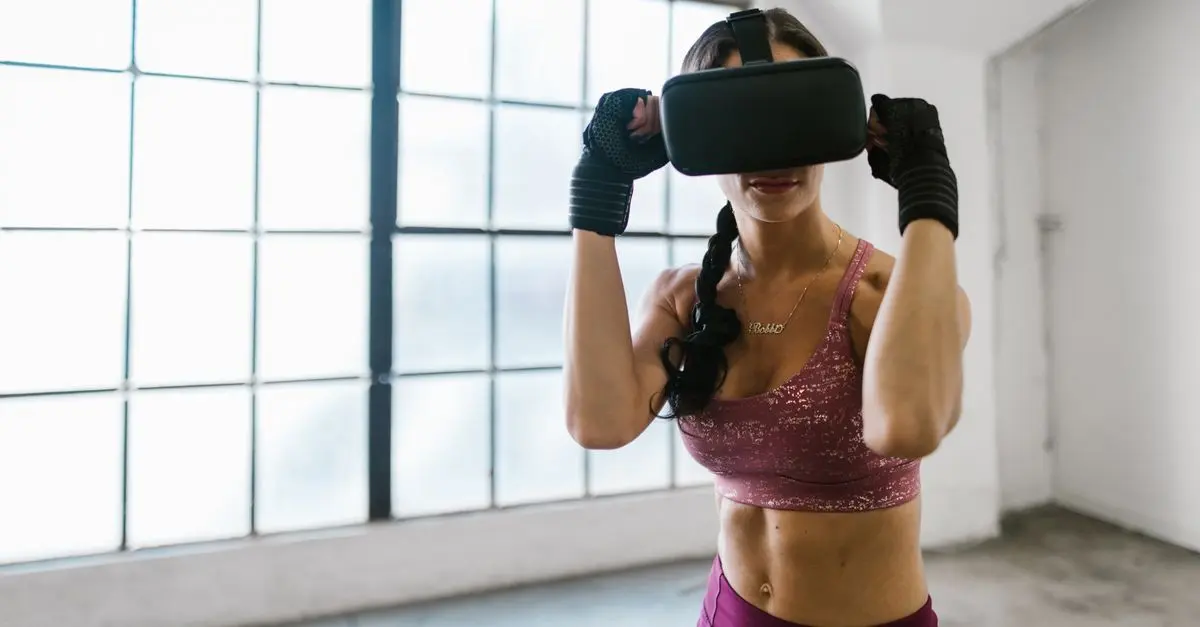
Virtual reality (VR) sports training refers to the use of VR technology in the preparation and performance enhancement of athletes across various sports disciplines. This innovative methodology allows athletes to train in immersive virtual environments that simulate real-life scenarios. Not only does it enhance the learning experience, but it also provides unique opportunities for skill development, strategy testing, and mental rehearsal.
The use of VR in sports training is grounded in the premise that visualization and repeated practice in a controlled environment can lead to improved performance on the actual field. Since physical surroundings can be manipulated within a VR system, athletes can train under various conditions, preparing them for any eventual competitive scenario.
In recent years, as VR technology has become more accessible, sports teams, coaches, and training facilities have embraced this approach. Many organizations have seen improvements in player engagement, skill acquisition, and decision-making abilities through the immersive training experience provided by VR.
Key Trends in 2026
1. Enhanced Realism with Advanced Graphics
In 2026, one of the most significant trends is the continual improvement in graphics and realism within VR sports training platforms. The latest VR systems leverage AI and machine learning algorithms to create highly detailed and responsive training environments. These enhancements allow athletes to engage in a near-realistic competition, making the training experience both authentic and challenging.
Brands like HTC and Oculus are leading this charge, continually updating software to integrate photorealistic graphics that replicate different venues and weather conditions. This realistic representation is crucial as it allows athletes to mentally prepare for what they will face in actual competitions, ensuring they are better equipped to handle pressure when it matters most.
According to a survey by Stanford University, over 75% of athletes who trained with enhanced graphics reported improved game-day performance due to the mental adaptability developed during training.
2. Personalized Training Experiences
Personalization in VR training programs has become more prevalent as technology evolves. By incorporating user data, preferences, and specific skill sets, VR training solutions now offer tailored experiences to individual athletes. Programs can analyze performance metrics and adapt training modules in real-time, ensuring athletes receive immediate feedback and adjustments.
For example, a soccer player can focus on their weak foot through dedicated drills, simulated by the system to enhance proficiency based on previously recorded performance metrics. This adaptability has shown to increase motivation levels among athletes, making training sessions more engaging and less monotonous.
3. Integration of Mixed Reality (MR)
Mixed Reality (MR) is gaining traction in sports training as it combines elements of both VR and the real world. MR environments allow for real-time interaction between physical and digital objects, granting athletes a unique training platform where they can practice actual skills while receiving the benefits of a virtual environment.
An example of this is a basketball shooting drill where an athlete can see their actual ball in their hands while improvements and analytics display on the court’s virtual floor in real-time. Introducing MR into sports training facilitates a more holistic approach to athlete development, enhancing both the physical and psychological aspects of training.
4. Focus on Mental Conditioning
In 2026, there's a spotlight on mental conditioning and psychological resilience through VR training. Coaches understand that physical preparation is as crucial as mental fortitude in competitive sports. VR systems now incorporate mental training modules that simulate high-pressure situations, enabling athletes to rehearse their responses effectively.
For instance, a tennis player may train in a VR setting that replicates a championship match, allowing them to visualize serving under pressure and manage anxiety levels. A study by Harvard Medical School shows that mental rehearsal through VR can improve athlete focus and reduce performance anxiety by up to 35%.
5. Data-Driven Insights for Performance Measurement
The integration of data analytics into VR training systems allows for precise tracking of an athlete's performance over time. These analytics provide insights into various aspects, including skill development, reaction times, and decision-making efficiency, which are crucial for athletes aiming to optimize their training regimens.
Utilizing wearables and feedback mechanisms, VR programs can analyze this data, helping coaches tailor training methods based on objective benchmarks rather than subjective assessments. A report by the International Journal of Sports Science indicates that athletes utilizing data-driven training enhancements improved their overall performance metrics by an average of 20% within the first year of implementation.
How to Implement VR in Training
Establishing a robust VR training program involves several steps:
- Select the Appropriate Hardware: Assess which type of VR equipment best meets the needs of your training goals. Options range from immersive headsets like the Valve Index to more user-friendly options like Oculus Quest.
- Choose the Right Software: There are various platforms tailored to different sports. Research and select one that aligns with your training style and objectives.
- Train the Coaches: Ensure that coaches are adequately trained to use VR tools effectively, understanding how to leverage technology to enhance athlete performance.
- Monitor and Adapt: Continually assess the program's effectiveness through athlete feedback and performance outcomes. Adjust the training modules based on these insights to ensure optimum results.
Comparative Analysis of VR Training Solutions
| Criteria | Solution A | Solution B | Solution C | Verdict |
|---|---|---|---|---|
| Graphic Quality | High | Medium | High | A and C offer superior visuals |
| User Experience | Interactive | Basic | Immersive | C is the most engaging |
| Data Analytics Features | Limited | Advanced | Comprehensive | C provides best analytics |
| Customization Options | Minimal | High | Moderate | B allows for extensive customization |
Statistical Insights on VR Impact
Recent statistics from Nielsen Sports indicate that 60% of professional athletes in various sports have begun integrating VR systems into their training routines. As of 2025, the market for VR sports training had ballooned to an estimated $2 billion and is projected to continue expanding at a growth rate of 25% year-on-year. The data elucidates the growing acceptance and benefit perceived by athletes and trainers alike, establishing VR as a pivotal component of modern sports training strategies.
Frequently Asked Questions
Q: What sports benefit the most from virtual reality training?
A: While all sports can leverage VR, fast-paced games like soccer, basketball, and tennis see significant benefits due to the need for quick decision-making and hand-eye coordination.
Q: Is VR training safe for athletes?
A: Yes, when used appropriately under guidance, VR training can be a safe method to enhance performance without the risks associated with physical injuries in traditional training methods.
Q: Can VR replace traditional training methods?
A: VR is best utilized as a supplementary tool rather than a complete replacement. It enhances specific skills but should complement traditional training methods.
Q: How cost-effective is implementing VR training?
A: The initial investment may be significant, but the long-term benefits in performance enhancement often justify the costs involved in setup, especially for professional athletes and teams.
Glossary
| Term | Definition |
|---|---|
| Virtual Reality (VR) | A simulated experience created by computer technology that can be similar to or completely different from the real world. |
| Mixed Reality (MR) | A blend of physical and digital worlds, where physical and virtual objects coexist and interact in real time. |
| Data Analytics | The science of analyzing raw data to make conclusions and inform decisions, increasingly used in sports to track player performance and training effectiveness. |
Checklist Before Adoption
- [ ] Evaluate current training needs.
- [ ] Research available VR hardware options.
- [ ] Assess software capabilities tailored to your sport.
- [ ] Train coaching staff on VR tool usage.
- [ ] Plan for data collection and performance measurement.
📺 Resource Video
> 📺 For further exploration: The Impact of VR in Sports Training, a complete analysis of how virtual reality reshapes athlete preparation. Search on YouTube: VR sports training analysis.
🧠 Quick Quiz: Which of the following sports utilizes VR for training?
- A) Football
- B) Chess
- C) Swimming
Answer: A — Football benefits greatly from VR for tactics and gameplay rehearsal.
📺 Pour aller plus loin : impact of VR on sports training 2026 sur YouTube