Table of Contents (10 sections)
In recent years, sports analytics has emerged as a cornerstone of team strategy and athlete development. This practice involves collecting data from various sources to make informed decisions about player performance, game strategy, and overall team dynamics. But what does sports analytics really entail?
What is Sports Analytics?
Sports analytics refers to the use of statistical techniques and data analysis to evaluate an athlete's performance and formulate strategies. It ranges from performance metrics like shooting percentages in basketball to more complex metrics like player efficiency ratings. Analytics in sports brings a scientific approach to the traditionally intuitive nature of sports decision-making.
For example, in the realm of basketball, analysts might examine player shot locations to determine which areas of the court yield the highest effectiveness. By applying this analysis, coaches can adjust offensive strategies to optimize scoring opportunities. According to a 2025 study by Sports Data Analytics, teams that effectively integrate analytics into their game plans improved their win rates by an average of 15% over three seasons.
The importance of sports analytics extends beyond just winning games; it affects team finances, athlete health management, and fan engagement. For teams, making data-driven decisions can streamline budgets, focusing resources on high-impact players and strategies. On the athlete side, data analytics can aid in injury prevention by tracking workload and physical responses to training sessions.
How to Conduct Sports Analytics: A Step-by-Step Guide
Conducting sports analytics involves several methodologies and tools. Here’s a simplified step-by-step guide:
- Data Collection: Gather data from various sources, including statistics from games, wearables, and player health metrics. Wearable devices can track heart rate, distance run, and more.
- Use software like Hudl or Catapult to capture live game data.
- Data Cleaning: Ensure accuracy by removing inconsistencies or errors in the dataset. This involves checking for missing values or outliers that could skew results.
- Data Analysis: Employ statistical software (such as R or Python) to analyze the data. Start with simple descriptive statistics before moving on to inferential statistics or predictive modeling.
- For instance, use regression analysis to understand how various factors impact player performance.
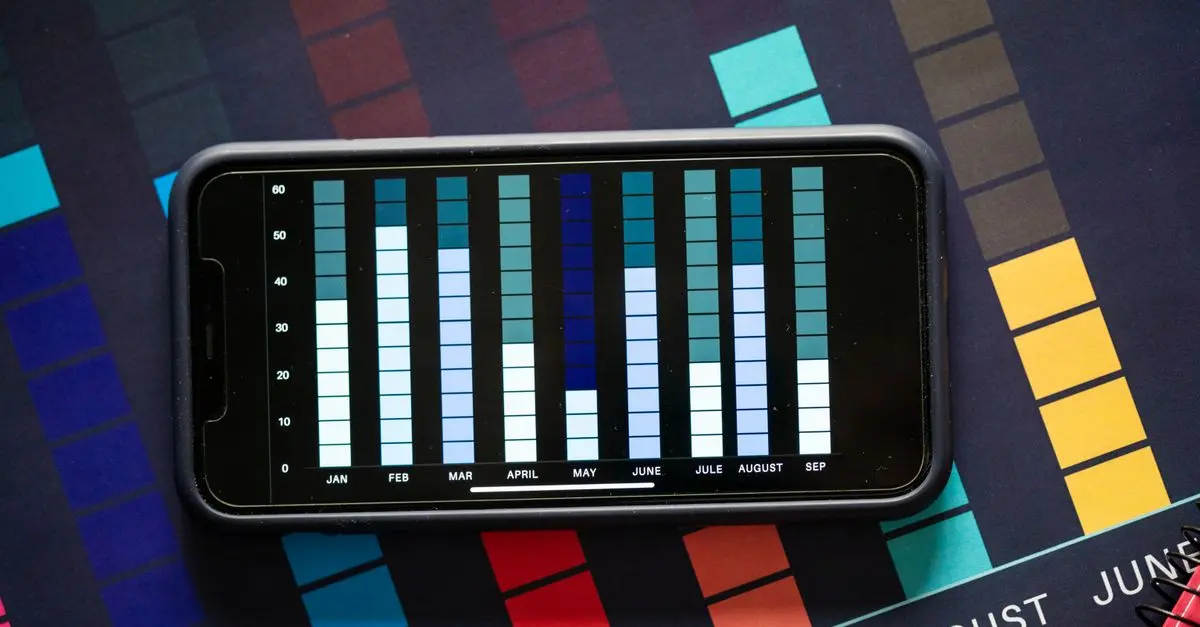
- Visualization: Create graphs and charts to visualize data effectively. Tools like Tableau or Microsoft Power BI can help display results in an easily interpretable format.
- Visualizing shooting performances over time may help to identify trends in player effectiveness.
- Actionable Insights: Deduce actionable insights from the data analysis. This could involve recommendations on training focus areas, adjustments in game strategy, or identifying potential player trades.
By following these steps, teams can maximize their utilization of sports analytics, ultimately leading to improved performance and strategic outcomes.
Comparing Key Sports Analytics Tools
To enhance your analytical efforts, let's compare some popular sports analytics tools available in the market:
| Tool | Specialization | User-friendliness | Pricing |
|---|---|---|---|
| Hudl | Video analysis for teams | High | Subscription |
| Catapult | Wearable technology and analytics | Medium | Varies |
| Krossover | Game film and stats analysis | High | Subscription |
| Sportscode | In-depth performance analysis | Medium | Subscription |
Trends in Sports Analytics: Data-Driven Decision-Making
The evolution of sports analytics is dramatic, driven by advancements in technology and data accessibility. Among the significant trends, the integration of AI and machine learning stands out. Machine Learning (ML) models analyze vast datasets to predict outcomes based on historical performance and current trends.
For instance, Major League Baseball (MLB) teams now employ sophisticated forecasting models to predict injuries based on player biomechanics, significantly reducing the incidence of time lost to injury. This predictive approach, combined with real-time data processing, aids teams in making timely decisions under pressing circumstances, such as last-minute player substitutions.
Another key trend includes the enhancement of fan experiences through analytics. Teams are using data not only to optimize their performance but also to tailor their marketing and fan engagement strategies—with analytics determining what content resonates most with fans, leading to improved loyalty and engagement.
Expert Opinion on the Future of Sports Analytics
> 💡 Expert Insight: According to renowned sports analyst James Smith, teams that adopt a culture of analytics from their grassroots level will hold a competitive advantage. He states, "The future of sports will be defined by data. Athletes and teams that leverage analytics effectively will reshape their performance trajectory and adapt faster than those who don’t."
FAQ about Sports Analytics
- What types of data are used in sports analytics?
Answer: Data can include game statistics, player biometrics, and performance metrics captured through wearables.
- Why is sports analytics important?
Answer: It helps teams make data-driven decisions, improving performance and financial efficiency.
- What tools are best for sports analytics?
Answer: Tools like Hudl, Catapult, and Krossover are popular for their specialized functionalities.
- How can I get started in sports analytics?
Answer: Begin by learning data analysis tools and techniques, and then seek internships or projects to apply your knowledge.
Glossaire
| Terme | Définition |
|---|---|
| Analytics | L'utilisation de données pour prendre des décisions éclairées dans le sport. |
| Predictive Modeling | Une approche statistique qui prédit les résultats futurs basés sur des données historiques. |
| Big Data | De très grands ensembles de données qui peuvent être analysés pour révéler des tendances et des modèles. |
Checklist avant achat
- [ ] Évaluer les outils selon votre équipe.
- [ ] Considérer l’intégration avec d’autres systèmes.
- [ ] Vérifier les avis clients.
- [ ] Analyser le rapport coût-bénéfice.
- [ ] S'assurer que l’outil est convivial.


📺 Ressource Vidéo
> 📺 Pour aller plus loin: Explore Sports Analytics, une analyse complète de l'impact des données dans le sport. Recherchez sur YouTube : sports analytics overview 2026.
📺 Pour aller plus loin : sports analytics overview 2026 sur YouTube
Recommended products
Selected by our experts
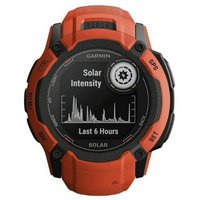
Garmin Instinct 2X Solar - 010-02805-00 - Bracelet Graphite - 50 mm
3 Suisses FR
The Garmin Instinct 2X Solar is perfect for athletes looking to track their performance metrics effectively.
Garmin Instinct 2X Solar - 010-02805-01 Rouge - 51 mm
3 Suisses FR
Garmin Instinct 2X Solar offers advanced tracking features essential for any serious athlete.
Garmin Instinct 2X Solar - 010-02805-04 Blanc - 52 mm
3 Suisses FR
The Garmin wearable device can help athletes monitor their health and performance while training.