Table of Contents (13 sections)
Effective sports team communication is crucial for enhancing performance and building strong team dynamics. In the high-pressure environment of sports, clear and concise communication can mean the difference between victory and defeat. This article explores several strategies that coaches and players can adopt to ensure a fluid exchange of information, fostering collaboration and camaraderie within the team.
1. Establish Clear Communication Protocols
Setting up clear communication protocols is vital for any sports team. This involves defining how and when team members will communicate both formally and informally. Coaches might implement daily briefings or use specific signals during practices and games to reduce confusion. According to a survey conducted by the National Federation of State High School Associations, teams with established communication protocols showed a 25% increase in performance metrics. Effective communication also includes clear guidelines on using communication tools like messaging apps or team management software. By doing so, members remain informed and engaged.
2. Foster an Open Environment
Creating an open environment where athletes feel safe to express their ideas and concerns is key. Acknowledging each player's input helps build trust and unity within the team. For example, regular feedback sessions can be scheduled after practices to discuss what worked and what didn’t. Players should feel encouraged to voice suggestions on strategies or to clarify instructions. When athletes sense their opinions are valued, it boosts morale and enhances overall communication.
3. Utilize Technology Wisely
In today’s tech-driven world, leveraging communication tools and platforms can significantly improve sports team communication. Tools like Slack, Trello, or Zoom can facilitate group chats, video meetings, and task management. For instance, setting up a dedicated channel for game strategies allows team members to access information anytime. Additionally, video analysis software enables athletes to review plays and receive coach feedback asynchronously, further enriching the communication loop on games and practices.
4. Emphasize Non-Verbal Communication
Non-verbal cues play a significant role in effective sports team communication. Coaches and players must recognize body language, facial expressions, and gestures. For instance, during a game, a player's posture can indicate fatigue or readiness, prompting timely interventions. Understanding these non-verbal signals can enhance teamwork and coordination. A research study by the American Psychological Association highlighted that 70% of communication is non-verbal, emphasizing the need for training athletes to read and respond to these cues effectively.
5. Implement Regular Team-Building Exercises
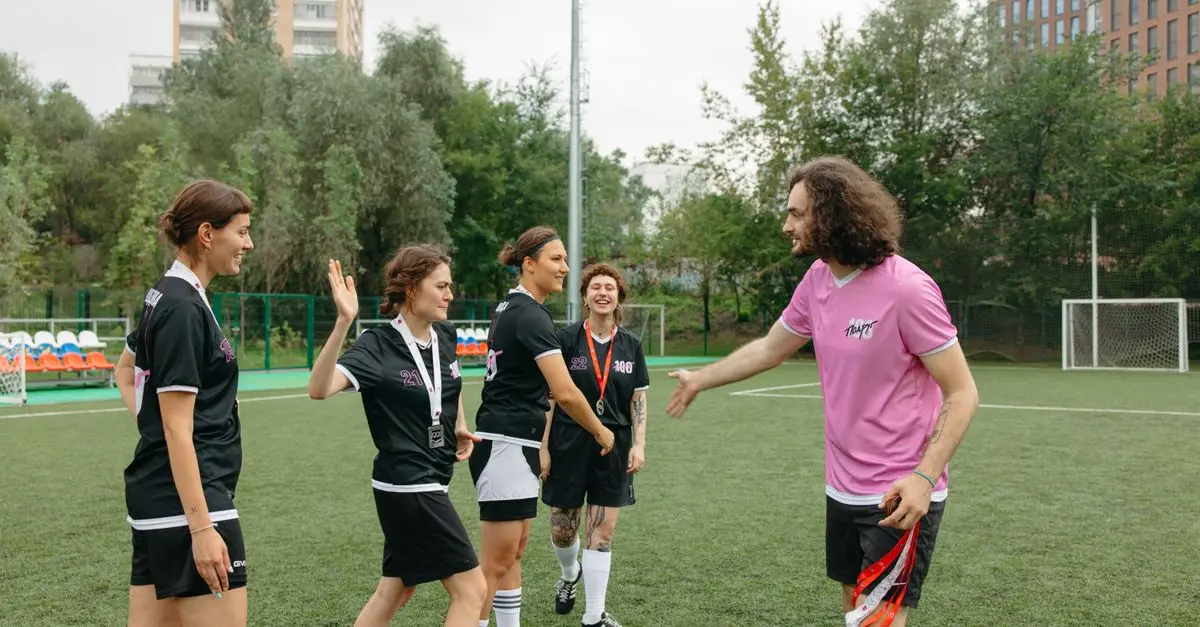
Team-building exercises are excellent for developing effective sports team communication. Participating in activities that demand cooperation can help players bond and understand each other's communication styles better. For instance, off-field activities such as escape rooms or group challenges can foster better interpersonal connections. According to findings from the Institute for Sports Psychology, teams that engage in regular team-building see a 15% improvement in on-field performance due to enhanced cooperation and understanding.
6. Set Clear Goals and Roles
Each team member should understand their role and specific goals. Clear goal-setting sessions help align everyone’s efforts and expectations. This type of clarity eliminates confusion during critical moments in a game. Coaches should provide a detailed description of each player's responsibilities and how they contribute to the team's overall strategy. This not only allows for specific feedback but also enhances individual accountability. Teams with clearly defined roles often experience smoother communication during play, as players can easily reference their tasks.
7. Conduct Post-Game Analysis
After-action reviews or post-game analyses are essential for continuous improvement in communication strategies. By reviewing footage, discussing team dynamics, and identifying communication breakdowns, teams can evolve and enhance their communication tactics. Developing a habit after every game of discussing what was effective and what wasn’t can lead to insightful learning for players. The National Collegiate Athletic Association (NCAA) recommends this practice to all teams to promote dialogue while minimizing the chances of repeating mistakes.
8. Encourage Leadership Within the Team
Encouraging leaders among players can help facilitate effective sports team communication. Designating player leaders who can communicate directly with coaches helps bridge the gap between staff and players. These leaders can help clarify messages and assist in guidance throughout matches. Empowering players to lead by example creates a culture of communication where everyone feels responsible for maintaining cohesion within the team.
📺 For further insights:
Watch this video on effective communication strategies in sports teams for more in-depth analysis. Search on YouTube: "effective sports team communication strategies."
Glossary
| Term | Definition |
|---|---|
| Communication Protocols | Structured guidelines dictating how information is exchanged within a team. |
| Non-Verbal Communication | Messages conveyed without words, including gestures, tone, and facial expressions. |
| Team Building | Activities designed to improve interpersonal relationships and team cooperation. |
Checklist for Effective Sports Team Communication
- [ ] Establish clear communication protocols
- [ ] Foster an open environment for discussions
- [ ] Utilize technology for real-time communication
- [ ] Emphasize non-verbal signals among players
- [ ] Plan regular team-building exercises
- [ ] Set clear roles and goals for all members
- [ ] Conduct post-game reviews for feedback
- [ ] Encourage leadership among players
🧠 Quick Quiz: What is the most crucial aspect of effective communication in sports?
- A) Verbal instructions
- B) Non-verbal cues
- C) Advanced technology
Answer: B — Non-verbal cues significantly enhance player understanding and immediacy in communication.
Conclusion
Enhancing effective sports team communication requires intention and practice. By implementing the strategies listed above, sports teams can improve performance and foster a collaborative spirit. The integration of clear protocols, fostering openness, utilizing technology, and valuing each member's input leads to a stronger and more connected team that can face any challenge together.
📺 Pour aller plus loin : effective sports team communication strategies sur YouTube