Table of Contents (12 sections)
Introduction
Welcome to our comprehensive guide on maximizing your gymnastics training efficiency! Whether you're a beginner or seasoned gymnast, optimizing your training routine is key to success. In this article, we will provide structured and effective gymnastics training tips to elevate your skills.
Understanding Gymnastics Training
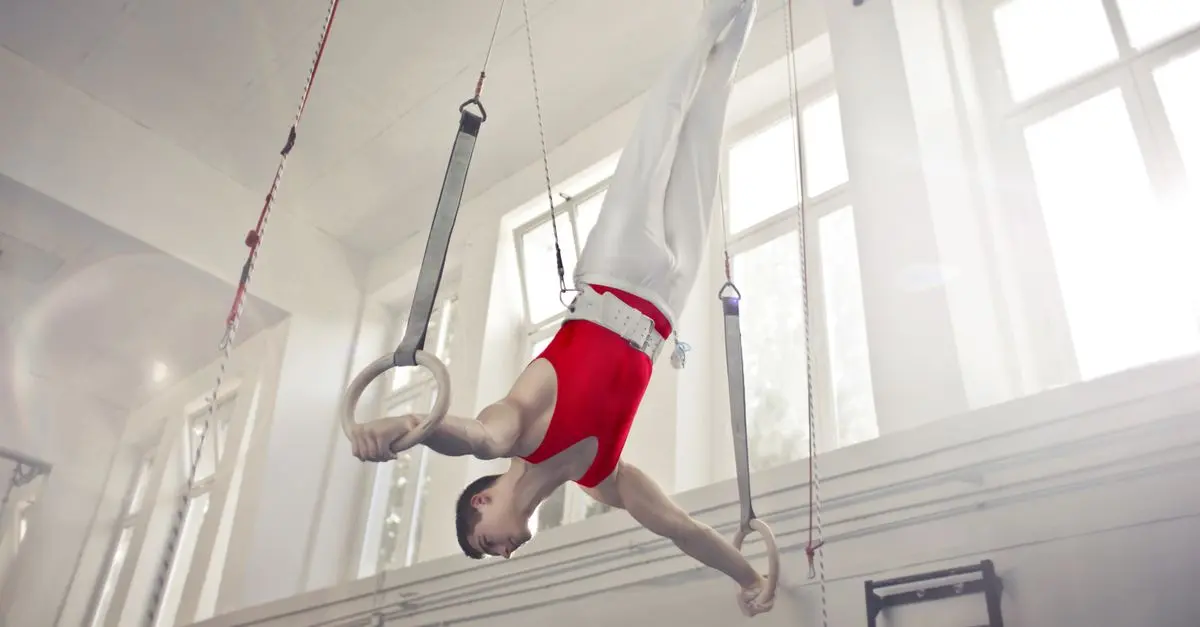
Gymnastics training involves a balance of strength, flexibility, and coordination. Each discipline requires different skill sets, from the floor exercise to the uneven bars. Understanding the unique demands of these events is crucial for tailoring your training regimen. Gymnasts should focus on building a strong foundation in technique and form, which are the cornerstones of a successful routine.
💡 Expert Insight: According to USA Gymnastics, emphasizing form and technique reduces injury risk and enhances performance longevity.
Effective Goal Setting
Setting clear and realistic goals is fundamental to any successful training plan. Start by defining your short-term and long-term objectives. Short-term goals might include mastering a specific skill within a month, while long-term goals could be achieving higher competition scores by the season's end. Consistently re-evaluate and adjust your goals to reflect your progress and ambitions.
Perfecting the Basics
Mastering the basics forms the bedrock of any advanced gymnastics skill. Spend adequate time practicing core movements such as handstands, cartwheels, and rolls. Proficient execution of these elements builds the confidence and physical conditioning needed for more complex routines.
Advanced Techniques and Skills
As you progress, incorporate advanced techniques into your training regimen. Skills such as twists, flips, and complex dismounts require increased agility and control. Work under the guidance of skilled coaches, emphasizing correct body positioning and landing techniques to avoid injuries.
Nutrition and Recovery
Gymnastics training demands significant energy and physical exertion, necessitating a focused approach to nutrition and recovery. A balanced diet rich in protein, carbohydrates, and healthy fats supports muscle growth and energy replenishment. Equally important is allowing time for rest and recovery, incorporating activities such as stretching, massage, or yoga.
Tracking Progress
Track your training progress meticulously to measure improvements and identify areas needing focus. Use video recordings to analyze your routines, highlighting strengths and pinpointing weaknesses. Additionally, maintain a training journal to document routines, goals, and reflections on each session.
📺 Resource Video
📺 For further understanding: Watch [Maximizing Gymnastics Training: Techniques and Tips] on YouTube for a comprehensive analysis of enhancing your skills. Search for: "gymnastics training efficiency tips 2026".
Glossary
| Term | Definition |
|---|---|
| Handstand | A gymnastics position performed by balancing on your hands. |
| Dismount | The final sequence or skill executed to conclude a routine. |
| Twists | Rotational movements executed in the air, requiring precision. |
Checklist Before Practice
- [ ] Set SMART goals for your training sessions
- [ ] Review basic skills foundations
- [ ] Plan advanced skill practices
- [ ] Prepare nutrition and recovery plan
- [ ] Track progress with video and journal reports
- What is the best way to set realistic goals for gymnastics?
By creating SMART goals—Specific, Measurable, Achievable, Relevant, and Time-bound—athletes can clearly define and track their progress.
- How can I improve my flexibility for gymnastics?
Incorporate daily stretching routines focusing on key muscle groups, and consider yoga or pilates to enhance flexibility further.
- What should I eat before and after training?
Pre-training meals should be carbohydrate-rich for energy, while post-training nutrition should focus on protein for muscle recovery.
- How often should I practice each week?
Aiming for 3-5 sessions weekly is suggested, combining skill development with conditioning and rest days for recovery.