Table of Contents (7 sections)
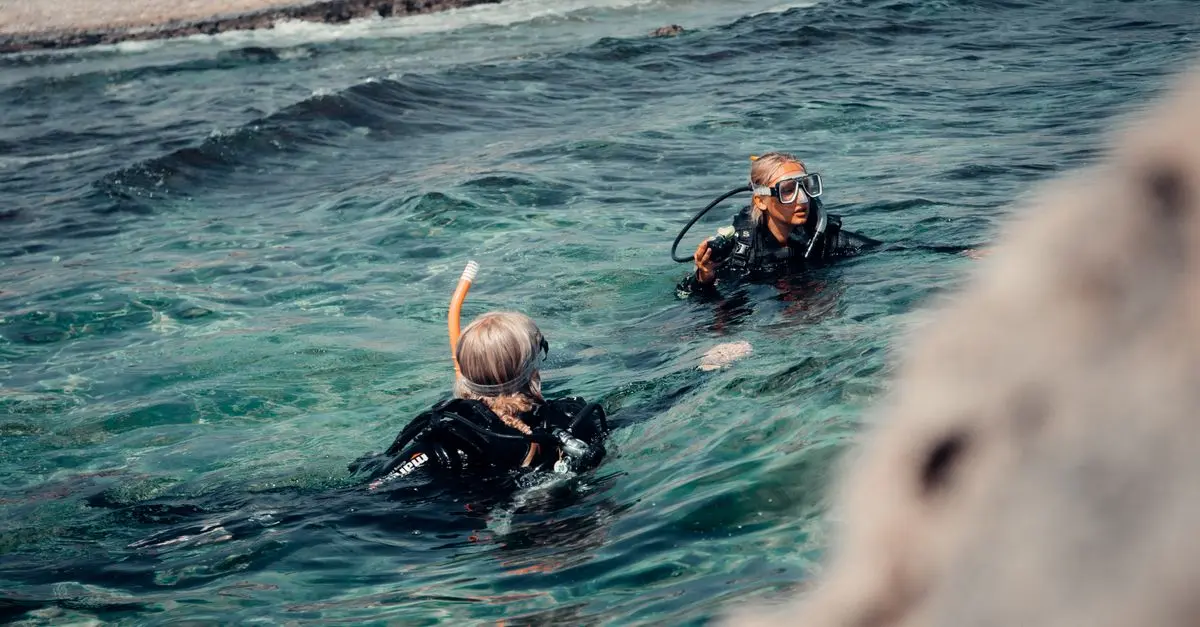
Embarking on a scuba diving adventure opens up a whole new world beneath the waves, teeming with life, color, and wonder. Whether you dream of swimming alongside vibrant coral reefs or exploring the mysteries of the deep, scuba diving offers the opportunity to see the world from an entirely new perspective.
What is Scuba Diving?
Scuba diving is a mode of underwater diving where the diver uses a self-contained underwater breathing apparatus (scuba) to breathe underwater. Unlike snorkeling where you stay near the surface, scuba diving allows you to explore deeper into the ocean. Scuba diving is both a recreational activity enjoyed by millions globally and a vital practice for scientific research, underwater construction, and military operations.
Diving gives you access to sights few people get to experience firsthand. The allure of underwater exploration makes scuba diving one of the most exhilarating water sports, promising adventure and discovery with every dive.
Getting Started: Essential Preparations
Before you start your scuba diving journey, understanding the basics is crucial. As a beginner, the first step is to assess your physical fitness. Scuba diving requires a moderate level of fitness to handle equipment and swim efficiently underwater. It's recommended to consult with a healthcare provider to ensure you're fit for diving.
Next, it's crucial to sign up for a certified scuba diving course. Agencies like PADI and SSI offer introductory courses that cover the fundamentals of diving, including safety protocols, equipment handling, and dive planning. These courses typically include a mix of classroom instruction, pool practice, and open water dives.
Obtaining your diving certification is not just about learning to dive; it also assures you that you have received professional training to handle varying conditions underwater.
Gathering Your Gear
Selecting the right equipment is a cornerstone of safe and enjoyable diving. Basic gear includes a mask, snorkel, fins, wetsuit, buoyancy control device (BCD), regulator, and tanks.
- Mask and Snorkel: Choose a mask that fits comfortably and provides a wide field of view. A basic snorkel is helpful for surface breathing.
- Fins: Essential for efficient movement underwater. Consider the type of diving you'll be doing; for stronger currents, longer fins are advantageous.
- Wetsuit: Keeps you warm underwater and protects against abrasions. Thickness varies based on water temperatures; tropical waters often require thinner suits.
- BCD and Regulator: The BCD helps with buoyancy control while the regulator allows you to breathe from the tank.
Each piece of equipment must be fitted properly to ensure safety and comfort. It's often recommended to rent high-cost items initially until you become more familiar with your preferences.
Mastering the Diving Skills
Learning the skills to dive is a gradual process, often starting in a swimming pool. Here, you'll practice maintaining buoyancy, managing your breathing, and handling your equipment.
A critical skill is learning to equalize pressure in your ears as you descend. Techniques vary; the Valsalva maneuver is commonly used where you gently blow while pinching your nose.
Effective diving involves controlling your buoyancy. Using your BCD and breathing techniques helps stabilize your position at various depths, essential for conserving air and increasing dive time.
Once comfortable, you're ready to progress to open water dives. These dives offer hands-on experience in navigating underwater currents and observing marine life in its natural habitat.
Navigating Challenges and Building Confidence
Even experienced divers encounter challenges. Common beginner issues include buoyancy control, clearing a mask of water, and underwater navigation.
A common piece of advice is to remain calm and breathe slowly, as panic can escalate small issues into larger problems. Practice helps improve efficiency in underwater movements, as reduced energy expenditure equates to increased dive duration.
Joining diving clubs or dive centers aids in building confidence, providing a support network, and opportunities to learn from seasoned divers.
📺 Ressource Vidéo
📺 Pour aller plus loin : Your First Scuba Dive: What to Expect, a comprehensive overview of entering the diving world. Recherchez sur YouTube :
"beginner scuba diving guide"
Codes of Conduct: Environmental and Personal Safety
Respect for marine life and habitats is paramount. Avoid touching coral or disturbing wildlife. Practice 'leave no trace' principles to preserve underwater environments.
From a personal safety perspective, always dive with a buddy. Continuous care of your equipment by rinsing and storing them properly post-dive extends their longevity and reliability.
💡 Avis d'expert : "Always check your dive site conditions and plan your dive accordingly. Understanding local marine life, tides, and water temperature can make your dive safer and more enjoyable." — John D., Certified Dive Instructor
min
The Essential Guide to Mastering Sports Communication Skills
Master sports communication skills with our comprehensive step-by-step guide for effective interaction in sports environments.

10 Essential Tips for Understanding Sports Analytics
Unlock the secrets of sports analytics with these 10 essential tips to take your game to the next level!
How Technology Is Shaping the Future of Sports Communication
Discover the transformative power of sports communication technology and its impact on athlete engagement and fan experiences.