Table of Contents (5 sections)
Effective communication is a critical asset in the world of sports, whether you are a coach, athlete, or fan. Improving your sports communication skills not only enhances team performance but also fosters a more engaging and motivating environment for everyone involved. This comprehensive guide explores how to elevate your communication abilities in various sports settings.
- ### Understand the Basics of Sports Communication
What is Sports Communication?
Sports communication encompasses the various ways individuals can convey messages in sports contexts. This includes verbal interactions, non-verbal cues, written communication, and media relations. The ability to communicate effectively is vital, as it influences relationships, boosts morale, and impacts overall performance.
Why is it Important?
According to a study by the American Psychological Association, effective communication in sports can lead to a 25% increase in team performance. Additionally, communication fosters trust among team members, which enhances collaboration and fosters a positive culture. By establishing a solid foundation in sports communication, individuals can motivate teammates, convey strategies effectively, and manage conflicts that may arise.
- ### Step-by-Step Guide to Improving Sports Communication Skills
Here’s how you can enhance your communication skills in a practical context:
Step 1: Assess Your Current Skills
Before you can improve, assess your current communication skills. Consider your verbal and non-verbal communication, listening abilities, and feedback reception. Ask for feedback from peers or mentors regarding your communication style to gain insights into areas that need improvement.
Step 2: Practice Active Listening
Active listening is crucial in sports settings. This involves fully concentrating on the speaker, understanding their message, responding thoughtfully, and remembering key points for future reference. You can practice this by summarizing points made during discussions, ensuring you understand and value input from all parties.
Step 3: Focus on Clear Messaging
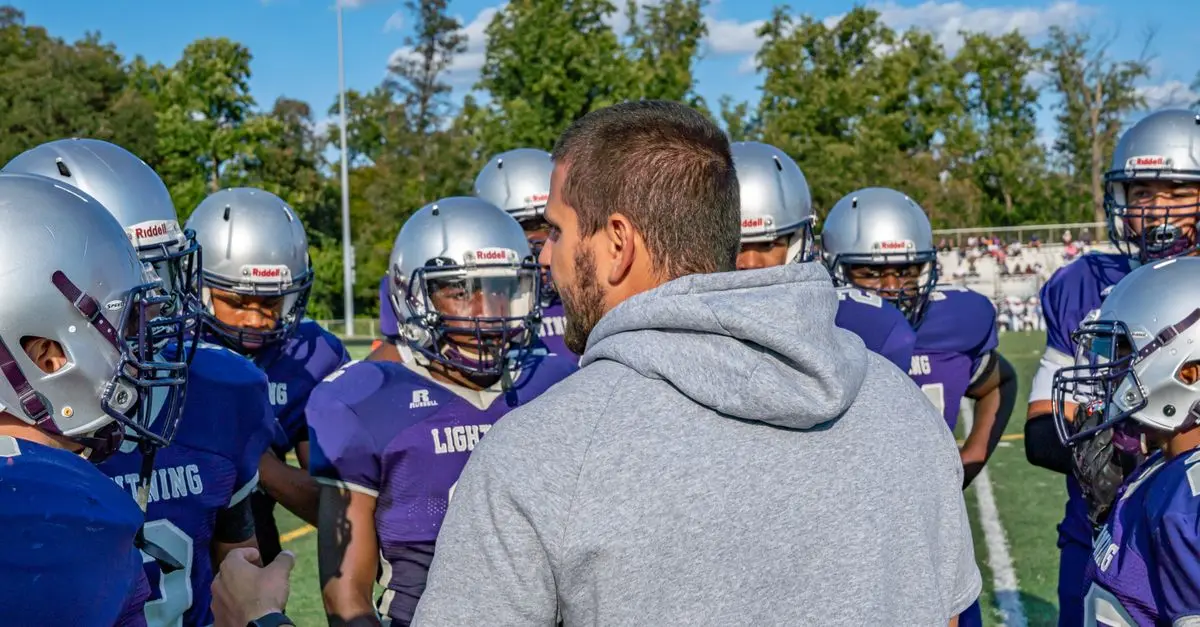
Clarity is key in communication. Use simple language, keep your messages concise, and avoid jargon unless everyone understands it. This ensures that your message is received as intended. A coach implementing a new strategy should present it clearly and with examples to ensure all athletes understand their roles and responsibilities.
Step 4: Use Non-verbal Communication Effectively
Non-verbal signals such as body language, tone of voice, and facial expressions play a significant role in conveying a message. A confident posture and eye contact can enhance the impact of what you are saying. Be mindful of your body language when communicating, as it can either support or undermine your spoken words.
Step 5: Engage in Role-playing Exercises
Role-playing can simulate various sports communication scenarios, helping you practice responses and improve adaptability. For example, you can practice delivering constructive criticism to a teammate or discussing strategies with your coach in a controlled environment. This approach reduces anxiety associated with real-life situations and enhances your ability to think on your feet.
Step 6: Solicit Feedback and Reflect
After practicing your communication techniques, ask for feedback from teammates or mentors. Engage in self-reflection by analyzing your performance and identifying areas for further improvement. This ongoing cycle of action and feedback will accelerate your learning curve.
- ### Common Mistakes to Avoid in Sports Communication
It’s essential to be aware of common pitfalls when communicating in sports settings:
- Using Complex Language: Avoid jargon and complicated explanations that can confuse rather than clarify.
- Neglecting Non-verbal Signals: Your body language can contradict your words; ensure that they align.
- Ignoring Team Dynamics: Communication style should vary based on team dynamics and individual preferences.
- Failing to Provide Constructive Feedback: Avoid negative feedback without guidance; instead, focus on growth and improvement.
- ### Metrics to Measure Improvement
After implementing and practicing effective communication strategies, how can you measure your progress? Here are some metrics to consider:
| Metric | Description | Example | Measurement Method |
|-----------------------------|---------------------------------------------------|--------------------------------------|----------------------------------------|
| Team Performance | Overall performance improvement | Team wins/losses | Track performance stats over time |
| Engagement Levels | Measure participation and feedback during discussions | Attendance in meetings | Conduct surveys after team meetings |
| Conflict Resolution | Reduction in conflicts | Fewer disputes among teammates | Monitor frequency of issues |
Monitoring these metrics will provide you with quantitative data that can reflect your progress and highlight areas for continual growth.
📺 Resource Video
> 📺 For more insights: Watch our in-depth analysis on enhancing your sports communication skills. Search on YouTube: “how to improve sports communication skills 2026.”
Checklist for Improving Sports Communication
- [ ] Assess current communication skills
- [ ] Practice active listening
- [ ] Use clear messaging
- [ ] Focus on non-verbal communication
- [ ] Engage in role-playing exercises
- [ ] Solicit feedback and reflect
Glossary
| Term | Definition |
|---|---|
| Active Listening | The practice of fully concentrating on a speaker to understand their message thoroughly. |
| Non-verbal Communication | All aspects of communication that do not involve words, such as body language and tone. |
| Clear Messaging | The ability to convey information straightforwardly without ambiguity. |
> 🧠 Quick Quiz: What is a key benefit of active listening?
> - A) It saves time.
> - B) It promotes understanding.
> - C) It reduces speaking time.
> Answer: B — Active listening promotes understanding by ensuring that the listener comprehends the speaker's message.
Striving to enhance your sports communication skills can create significant benefits not just for you, but for your entire team. Start practicing today to foster better relationships and improve performance!
Recommended Products
- Bell Sports 26 in. Rubber Bicycle Tire 1 pk: A reliable tire ensures your focus remains on clear communication rather than mechanical failures.
- Bell Sports Comfort 525 Nylon Bicycle Seat Black: Comfort during training sessions helps maintain focus on improving communication with your team.
- Plus Size Women's Glamorise MagicLift Seamless Sports Wirefree Bra: Ideal for comfort during sports—because physical discomfort can hinder communication efforts.
📺 Pour aller plus loin : how to improve sports communication skills 2026 sur YouTube
Recommended products
Selected by our experts

TETON Sports - Celsius XXL 0 Degree Right Zipper Sleeping Bag for Camping - Gray
bestbuy.com
Plus Size Women's Glamorise MagicLift Seamless Sports Wirefree Bra 1006 (Women's & Women's Plus) by Glamorise in Cafe (Size 48 G)
roamans.com
Plus Size Women's Full Figure Plus Size Custom Control Sports Bra Wirefree #1166 Bra by Glamorise in White (Size 42 D)
roamans.com
Inspired Finds Monster TWS Wireless Bluetooth Earbuds HD Stereo Sound Sports In Ear Headphones With Charging Case & LCD Touch Display 2 Pcs Touch
inspireuplift.com
Augusta Sportswear 4388 Women's Medalist 2.0 Pullover T-Shirt in Kelly/White size Small Polyester
shirtspace.com