Table of Contents (14 sections)
Swimming is a fantastic recreational activity and a competitive sport that offers numerous health benefits. However, like any physical activity, it carries a risk of injury. Understanding how to prevent these injuries is essential for anyone spending time in the pool.
Step 1: Proper Warm-up and Stretching
Before any swimming session, a proper warm-up is crucial. It helps prepare your muscles and joints for the physical activity ahead. Focus on dynamic stretching exercises such as arm circles and leg swings. These movements increase blood flow and enhance flexibility, reducing the risk of strain or injury.
Common Mistake: Neglecting warm-up exercises can lead to muscle stiffness and higher chances of injuries such as shoulder strains. Always allocate at least 10-15 minutes to warm up your entire body.
Step 2: Mastering Your Technique
One of the leading causes of swimming injuries is poor technique. Ensuring proper form not only improves performance but also minimizes stress on your body. Focus on maintaining a streamlined position, practicing efficient breathing techniques, and avoiding movements that place unnecessary strain on your shoulders or neck.
Avoid: Over-rotating your head during breathing as it can lead to neck pain. Instead, practice proper head alignment and breathing patterns.
Step 3: Use Protective Gear
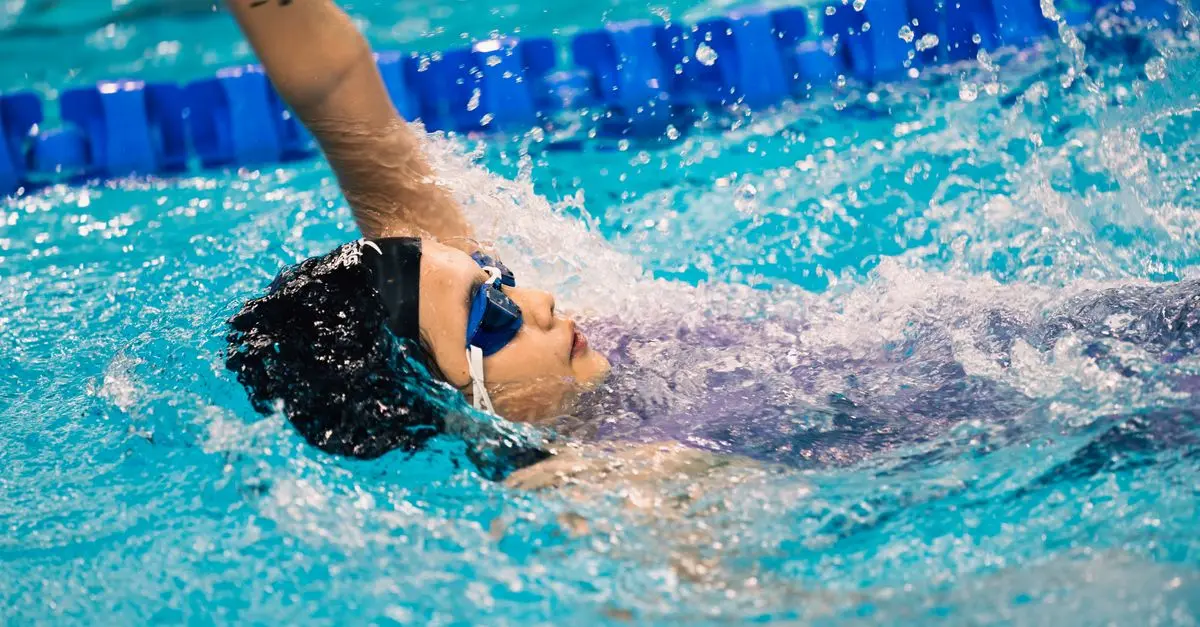
While not mandatory for all swimmers, protective gear like swim caps and goggles can prevent injuries. Swim caps help maintain a streamlined profile, and goggles protect your eyes from chlorine, improving visibility and reducing eye irritation.
Consider: Pool shoes to improve grip and prevent slips or falls around wet areas, particularly in competitive or public pools.
Step 4: Recognize and Respect Your Limits
Listening to your body is crucial in preventing overuse injuries. It's important to gradually increase the intensity and duration of your swim sessions. Sudden increases can lead to fatigue and injuries such as swimmers' shoulder or knee pain.
Pro Tip: Incorporate rest days into your training regimen to allow your body to recover and rebuild. Overtraining is a common pitfall that leads to injuries.
Step 5: Hydrate Adequately
Swimming might not feel as exhausting as other sports in terms of sweating, but it can lead to dehydration. Ensuring hydration before, during, and after swimming sessions supports your body's recovery processes and maintains optimal muscle function.
Tip: Keep a water bottle by the poolside and take regular sips, especially during longer swimming sessions.
📺 Resource Video
> 📺 For deeper insights: [Swimming Injury Prevention Techniques], a comprehensive analysis of swimming safety practices. Search on YouTube: "swimming injury prevention techniques".
Step 6: Correcting Posture and Form Outside the Pool
Injury prevention extends beyond the water. Maintaining good posture during daily activities helps prevent injuries caused by muscle imbalances. Incorporate exercises like Pilates or yoga to enhance core strength, which translates to better swimming posture.
Advice: Focus on exercises that strengthen your back and core, supporting your swimming posture and overall muscle health.
Step 7: Cool Down Effectively
Just like warming up, cooling down is essential to prevent injuries. It helps your body transition back to a resting state, reducing muscle soreness and promoting flexibility.
Cool Down Routine: Incorporate static stretches targeting your arms, legs, and back to ensure a complete cool-down session.
Step 8: Periodic Check-ups with Professionals
Regular consultations with coaches or physiotherapists are beneficial in identifying possible issues with your swimming technique. These professionals can offer personalized advice based on your specific needs and goals.
Reminder: Address any unusual pain or discomfort with a healthcare provider to prevent minor issues from developing into serious injuries.
Quick Quiz
> 🧠 Quick Quiz: Which of these is NOT a recommended practice for avoiding swimming injuries?
> - A) Skipping warm-ups
> - B) Using protective gear
> - C) Recognizing limits
> Answer: A — Skipping warm-ups increases injury risk.
Comparative Analysis
Let's compare some common swimming gear options:
| Gear Type | Feature 1 | Feature 2 | Best For |
|---|---|---|---|
| Swim Caps | Streamlined fit | Hair protection | Competitions |
| Goggles | Anti-fog lenses | UV protection | Outdoor swimming |
| Pool Shoes | Non-slip soles | Quick drying capabilities | Public swimming |
| Ear Plugs | Noise reduction | Water resistance | Regular swimmers |
| Term | Definition |
|---|---|
| Warm-up | Physical exercises to prepare muscles. |
| Hydration | Maintaining adequate fluid levels. |
| Posture | Body alignment during physical activity. |