Table of Contents (17 sections)
Racing in extreme weather conditions presents significant challenges for drivers, engineers, and teams. From rain-soaked tracks to scorching deserts, the elements can drastically change the dynamics of a race. Motorsport events often require teams to adapt quickly, leveraging state-of-the-art technology and strategic ingenuity to stay competitive.
Understanding Extreme Weather in Racing
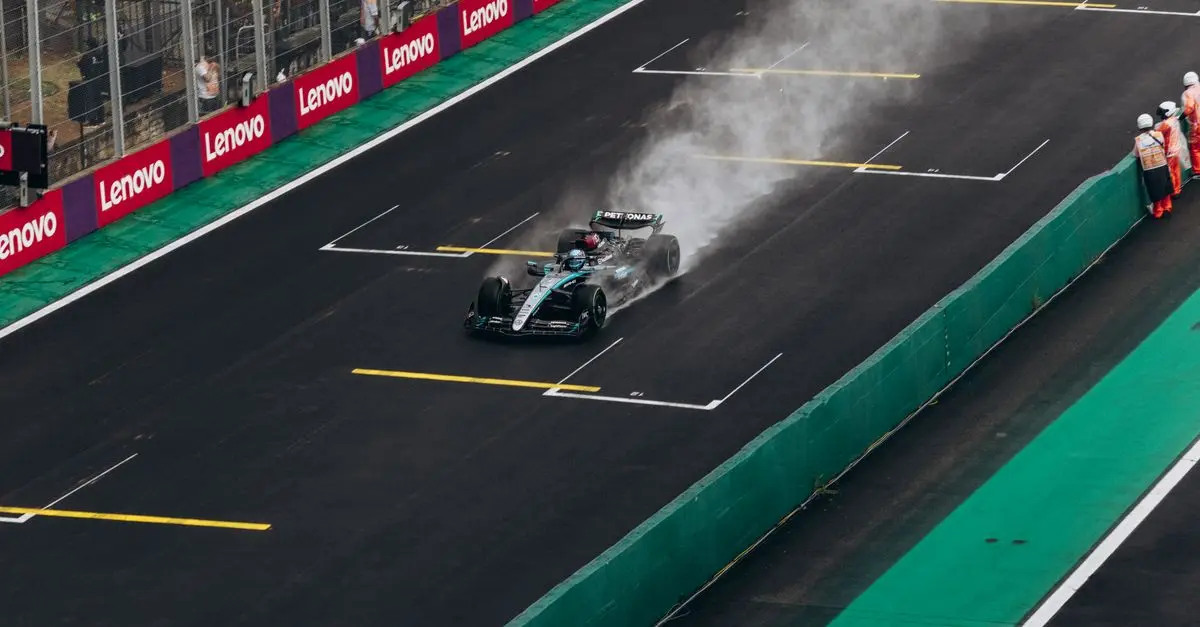
Extreme weather can range from heavy rain, intense heat, to icy conditions. Each presents unique obstacles: slick surfaces, overheating engines, or visibility issues. These factors test even the most seasoned racers and teams. Formula 1 and NASCAR, for instance, require rigorous preparations and adaptative strategies.
In the rain, traction becomes crucial. Races like the Monaco Grand Prix have been infamous for treacherous wet conditions, where even the smallest mistake can be catastrophic. Extreme heat, as experienced in races like the Bahrain Grand Prix, poses risks of overheating machinery and strength-testing for drivers.
Key Tactics for Racers
Preparing the Vehicle
To tackle adverse conditions, cars need specific adjustments. Aerodynamics, tires, and cooling systems are all tailored to enhance performance and safety under dynamic climates.
- Tire Selection: Using softer compound tires in cold or wet conditions to improve grip.
- Aerodynamic Adjustments: Modifying wing settings to balance downforce and speed.
Driver Adaptations
From the cockpit, drivers must manage unpredictable tracks. Advanced telemetry systems help relay vital information on the car's performance and track conditions in real-time.
- Avoiding Aquaplaning: Maintains control and reduces chances of skidding during rainy races.
- Heat Management Techniques: Ensuring the driver's comfort with suit cooling systems to prevent fatigue.
Comparative Analysis of Weather Effects
Weather conditions affect car performance, driver strategies, and overall race dynamics differently:
| Weather | Impact on Car | Driver Strategy | Race Outcome |
|---|---|---|---|
| Rain | Reduced grip | Enhanced focus | Higher crash risk |
| Heat | Engine stress | Hydration focus | Potential retirements |
| Cold | Tire warming | Precision driving | Variable performance |
Statistics show a clear link between weather conditions and race outcomes. According to NASCAR statistics, wet tracks lead to a 30% increase in safety car deployments, while Formula 1 reveals that engine overheating in hot races doubles potential retirements.
📺 Resource Video
📺 For further insight: Racing Tactics in Extreme Weather, exploring expert strategies for adapting to variable conditions. Search YouTube: "racing tactics in extreme weather 2026."
Common Questions about Racing in Extreme Weather
What measures do race cars take during rain?
Rain tires provide better grip, and drivers rely on split-second reflexes to manage visibility and control.
How do drivers train for extreme weather?
Simulated conditions and virtual reality setups help drivers hone their skills in varied weather scenarios.
What are the safety considerations in extreme weather races?
Increased monitoring, safety cars, and driver briefings are crucial in managing race safety under adverse conditions.
How significant is technology in extreme weather racing?
Advanced telemetry, communication systems, and engineering modifications play a critical role in racing success.
Expert Opinion
💡Expert Advice: "Racing in extreme weather is as much a mental challenge as a technical one. Teams must prepare comprehensively, leaving no aspect of vehicle setup or driver preparation unaddressed."
Glossary
| Term | Definition |
|---|---|
| Downforce | Aerodynamic feature that increases traction |
| Telemetry | Remote data monitoring and communication system |
| Aquaplaning | Loss of traction due to standing water on tracks |
- [ ] Optimize tire selection for weather
- [ ] Adjust aerodynamic settings for conditions
- [ ] Test driver hydration and cooling systems
- [ ] Monitor real-time telemetry data
- [ ] Update race strategy based on weather forecasts
Conclusion
Understanding and adapting to extreme weather conditions is crucial for winning races. With proper planning, technological advancements, and driver preparation, teams can navigate these challenges with confidence.