Table of Contents (15 sections)
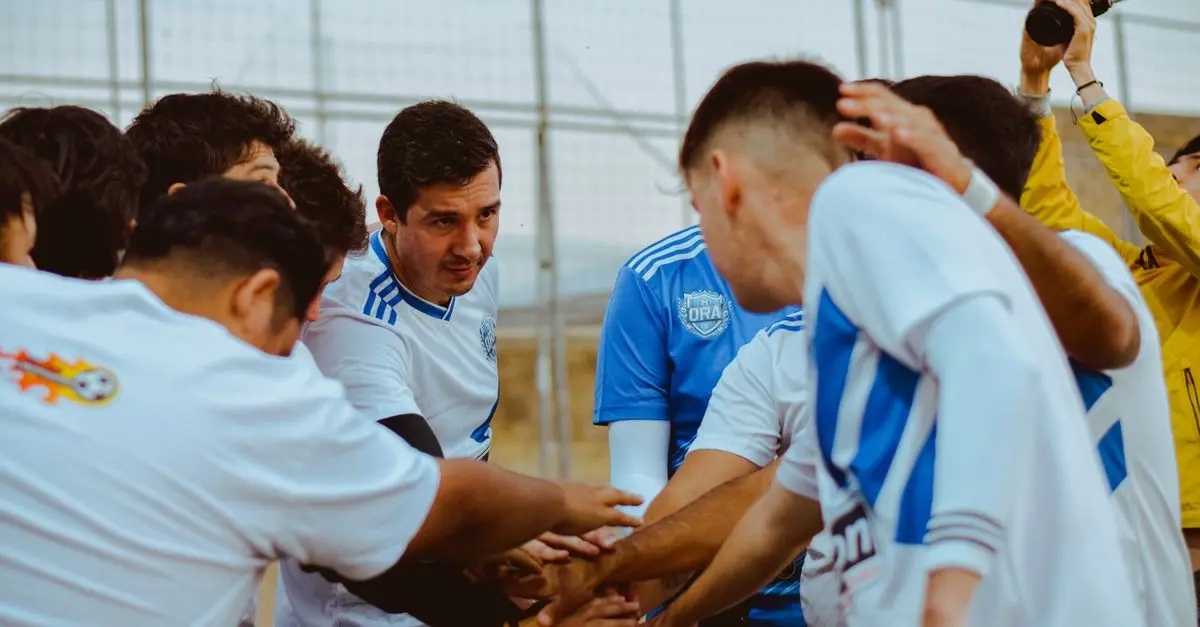
Effective sports communication is the backbone of any successful team, whether it’s in basketball, soccer, or even e-sports. Good communication leads to better collaboration, which in turn enhances team performance. Discovering the key strategies to enhance communication among players and staff can greatly impact a team's success and morale. Here are ten actionable tips to improve your communication in sports teams.
1. Establish Clear Roles
Defining clear roles among team members creates a sense of accountability and clarity. Each player's and coach's responsibilities should be communicated effectively to reduce confusion during practices and games. For instance, in soccer, the goalkeeper's role is fundamentally different from that of a forward. When each member understands their position and contribution, it fosters a more cohesive environment. According to the National Federation of State High School Associations (NFHS), clear role definition can reduce conflicts on and off the field while improving team efficiency.
2. Use Technology Wisely
In the digital age, integrating technology into sports communication is essential. Platforms like team management apps or real-time communication tools can help relay messages instantly. Coaches and athletes can use these tools to share game strategies, schedules, and reminders. A recent study by the Sports Tech Research explains that teams utilizing digital communication channels enhance their engagement and know-how by 30% compared to those relying solely on traditional communication methods. Use technology to keep everyone in sync, informed, and aware of changes immediately.

3. Foster Open Dialogue
Encouraging an atmosphere where players can freely express their thoughts and feelings is crucial for effective communication. This practice helps build trust among team members and allows for constructive feedback. Coaches should make time to engage players in discussions about performance, expectations, and personal concerns, creating a safe space for open dialogue. When players feel valued and heard, they become more invested in team dynamics, ultimately leading to better performance on the field.
4. Regular Team Meetings
Holding regular team meetings can serve as a platform for discussing tactics, team dynamics, and individual performance. These meetings can help reinforce organizational strategies while providing players an opportunity to voice concerns and updates. A strong recommendation is to schedule these meetings on a consistent basis, ideally weekly or bi-weekly, to encourage routine interaction and communication. According to research, 74% of teams that hold regular meetings report higher levels of satisfaction and productivity.
5. Active Listening Techniques
Encouraging active listening among team members is pivotal. Communicating is a two-way street; one must also pay attention to what others are saying. Practicing active listening includes making eye contact, nodding, and paraphrasing what another person has said to confirm understanding. This not only aids comprehension but also makes the speaker feel valued. Coaching organizations often emphasize the importance of this skill as it greatly influences team rapport and collaboration.
6. Non-Verbal Communication
Communication extends beyond words; non-verbal signals such as body language, facial expressions, and tone of voice convey significant information. Coaches and players should be aware of their non-verbal cues, as they can often speak louder than words. For example, an open posture and a smile can foster a positive atmosphere while a furrowed brow may signal tension or disagreement. Understanding and interpreting these cues can enhance interpersonal relations and lead to better outcomes during critical moments in games.
7. Build Team Chemistry
Engaging in team-building activities can enhance communication and understanding amongst players. Activities can range from casual outings to structured team-building exercises designed to improve trust and collaboration. Teams that bond off the field often communicate better on the field, as they understand each other's personalities and strengths. According to a survey by TeamBonding, 85% of participants highlighted significant improvements in team communication post-engagement in team-building activities.
8. Constructive Feedback
Providing constructive feedback is vital for development. Coaches should focus on delivering feedback that is specific, actionable, and positive. This means highlighting areas for improvement while also recognizing achievements. For instance, instead of saying “you did not play well today,” a better approach would be “I noticed you could increase your communication with teammates during plays; let’s practice that next session.” This creates a nurturing environment where players feel encouraged to grow rather than discouraged.
9. Emphasize Team Goals
Clearly articulating team goals and objectives at the start of the season—and revisiting them periodically—promotes collective accountability. When every member is aware of what the team is working toward and understands their contributions, it fosters a stronger commitment to achieving those goals. Research shows that setting specific and challenging goals can lead to higher performance outcomes for sports teams when members are aligned.
10. Continuous Learning
Finally, it's crucial for both coaches and players to commit to continuous learning about effective communication strategies. This can include attending workshops, reading relevant literature, or participating in webinars. Keeping up-to-date with the latest methods not only helps individuals improve but can also be brought back to the team for group enhancement. Lifelong learning in communication proves beneficial in adapting to evolving team dynamics and challenges.
📺 Resource Video
To go further: Best Practices for Effective Team Communication in Sports, a detailed analysis of communication strategies. Search on YouTube: "best practices sports communication 2026".
Glossaire
| Terme | Définition |
|---|---|
| Sports Communication | The method by which information is exchanged in and around athletic teams. |
| Active Listening | The ability to fully concentrate, understand, respond, and remember what is being said. |
| Team Chemistry | The rapport and understanding that exists between members of a team, enhancing their ability to collaborate. |
Checklist for Improving Sports Communication
- [ ] Define clear roles for each team member
- [ ] Implement and encourage the use of technology for communication
- [ ] Create an atmosphere for open dialogue
- [ ] Schedule regular team meetings
- [ ] Encourage active listening in discussions
- [ ] Be mindful of non-verbal communication
- [ ] Organize team-building activities
- [ ] Deliver constructive feedback regularly
- [ ] Revisit team goals periodically
- [ ] Commit to ongoing learning about communication
Conclusion
Mastering communication in sports teams can transform not only the performance of the team but also the enjoyment level of the game. By implementing these essential tips, teams may find themselves fostering a more collaborative and efficient environment.
Call to Action: For personalized recommendations on tools and resources to improve your team’s communication, check out our curated list of products below.
📺 Pour aller plus loin : best practices sports communication 2026 sur YouTube
Recommended products
Selected by our experts

TETON Sports - Celsius XXL 0 Degree Right Zipper Sleeping Bag for Camping - Gray
bestbuy.com
Plus Size Women's Glamorise MagicLift Seamless Sports Wirefree Bra 1006 (Women's & Women's Plus) by Glamorise in Cafe (Size 48 G)
roamans.com
Plus Size Women's Full Figure Plus Size Custom Control Sports Bra Wirefree #1166 Bra by Glamorise in White (Size 42 D)
roamans.com
Inspired Finds Monster TWS Wireless Bluetooth Earbuds HD Stereo Sound Sports In Ear Headphones With Charging Case & LCD Touch Display 2 Pcs Touch
inspireuplift.com