Table of Contents (15 sections)
Effective sports team communication is the cornerstone of successful teamwork and optimal performance. It goes beyond simply exchanging information; it's about fostering understanding, building trust, and creating a collaborative environment. In this article, we will explore ten must-know tips that will significantly enhance communication within your sports team.
1. Establish Clear Goals
Setting clear and achievable goals is essential for effective sports team communication. This not only provides direction but also harmonizes the team's efforts towards a common objective. For example, according to a study by UCLA, teams with defined goals perform 20% better than those without. Regularly revisit and discuss these goals in team meetings to ensure that everyone is on the same page and motivated to achieve them.
2. Foster Open Channels of Communication
Encouraging open dialogue among team members is crucial. Create an environment where players feel safe to express their thoughts, ideas, and concerns. This can be achieved by incorporating regular feedback sessions where everyone can share their opinions without fear of criticism. By promoting a culture of openness, players can voice concerns or suggestions that can lead to improved strategies and solutions during practice and games.
3. Utilize Technology Effectively
In the modern sports landscape, technology plays a significant role in communication. Use tools like group messaging apps, video conferencing, or performance analysis software to facilitate better communication. For instance, software like TeamSnap and Slack can centralize communication and keep everyone updated on schedules, practice plans, and game strategies. According to Statista, 65% of sports teams report improved coordination and performance through the use of collaborative technologies.
4. Implement Regular Check-Ins
Regular check-ins help keep everyone aligned and accountable. Schedule brief daily or weekly meetings to discuss progress, challenges, and upcoming events. This not only encourages accountability but also allows for the early identification of any communication issues or misunderstandings, which can then be addressed promptly.
5. Encourage Active Listening
Active listening is a critical component of effective communication. Encourage players to listen to one another without interruption, paraphrase what they've heard, and ask clarifying questions. This ensures that everyone feels heard and valued, which can significantly improve team morale and cohesion. According to a report by the Harvard Business Review, teams that practice active listening see a 30% increase in collaborative project outcomes.
6. Use Non-Verbal Communication Wisely
Non-verbal cues, such as body language or facial expressions, play a vital role in communication. Train your team to be aware of their own body language and to read the non-verbal signals of others. For example, a teammate's crossed arms may indicate defensiveness or discomfort. By addressing these non-verbal cues, teams can enhance understanding and navigate interpersonal dynamics more effectively.
7. Set Communication Expectations
Clearly outline communication expectations within your team. This could include how quickly members should respond to messages, preferred communication methods, and the frequency of updates. When everyone knows what is expected of them, it reduces confusion and streamlines communication, ultimately leading to better performance on the field.
8. Practice Role-Playing Scenarios
Role-playing can be an effective training tool to improve communication skills. By simulating game situations or team meetings, players can practice how to communicate effectively in various scenarios. This hands-on approach not only enhances understanding but also builds confidence in handling real-life situations during games.
9. Celebrate Achievements Together
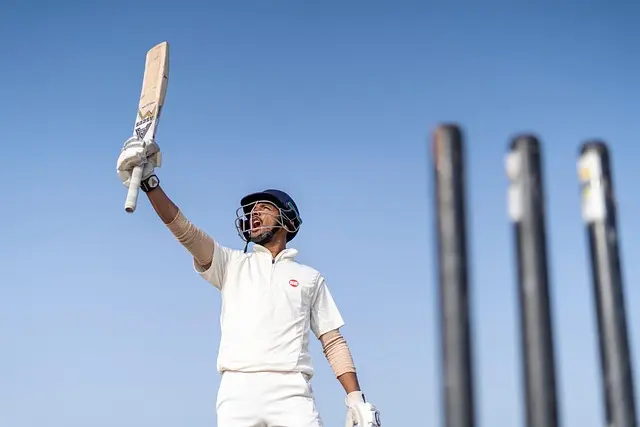
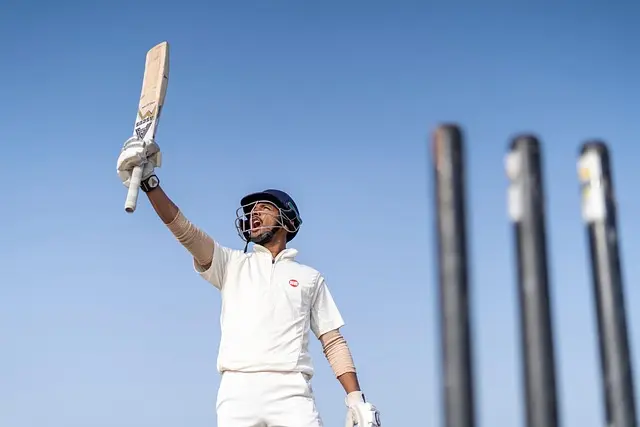
Recognizing and celebrating both individual and team achievements fosters a positive atmosphere and promotes healthy competition. Create rituals for celebrating successes, whether it's a small acknowledgment after practice or a more formal event. Celebrating victories enhances team morale and encourages ongoing communication about goals and performance.
10. Solicit Feedback Often
Regularly solicit feedback from all team members regarding communication effectiveness. Create anonymous surveys or hold feedback sessions where players can share their thoughts on what's working and what isn't. Adjust your communication strategies based on this feedback to ensure everyone feels engaged and involved in the communication process.
📺 Resource Video
For deeper insights, check out Effective Communication in Sports Teams, a detailed analysis of communication strategies in athletic environments. Search on YouTube: "effective sports team communication 2026".
Checklist for Effective Sports Team Communication
- [ ] Establish clear goals and objectives.
- [ ] Foster open channels of communication.
- [ ] Utilize technology effectively.
- [ ] Implement regular check-ins.
- [ ] Encourage active listening.
- [ ] Set communication expectations.
- [ ] Use non-verbal communication wisely.
- [ ] Practice role-playing scenarios.
- [ ] Celebrate achievements together.
- [ ] Solicit feedback often.
Glossary
| Term | Definition |
|---|---|
| Active Listening | Engaging fully in the communication process by understanding, responding, and remembering what is being discussed. |
| Non-Verbal Communication | The transmission of messages or information without the use of words, often through body language and facial expressions. |
| Feedback Loop | A process in which information about past performance is used to improve future actions and decisions. |
Conclusion
Effective sports team communication is crucial for achieving peak performance and fostering a solid team dynamic. By implementing these ten strategies, you will not only enhance communication but also strengthen your team's overall synergy. Remember, communication is a continuous process — consistently revisiting these strategies will help your team thrive.
🧠 Quiz rapide : What is the key to successful sports team communication?
- A) Open channels of communication
- B) Establishing rigid rules
- C) Keeping players uninformed
Réponse : A — Open channels of communication enhance collaboration and trust within the team.
📺 Pour aller plus loin : effective sports team communication 2026 sur YouTube