Table of Contents (14 sections)
Effective sports communication is crucial for athletes, coaches, and anyone involved in the sports industry. Whether you're discussing strategies, providing feedback, or simply engaging with fans, your ability to communicate effectively can influence performance and relationships. Here are ten essential tips to enhance your communication skills in the sports arena.
1. Understand Your Audience
Understanding your audience is the cornerstone of effective communication. Whether you're speaking to fans, players, or management, tailoring your message to their needs and expectations is essential. For instance, when giving a speech to young athletes, use relatable language and examples they understand. Conversely, when addressing management, be direct and focus on results and metrics.
By actively listening and gauging your audience's reactions, you can adjust your message as needed, ensuring clarity and engagement. This tactic can significantly enhance the overall communicative process, making your interactions more productive and meaningful.
2. Develop Active Listening Skills
Active listening is one of the most important yet overlooked skills in sports communication. It involves being fully present in conversations, understanding not just the words but also the emotions behind them. For example, during a post-game review, don’t just wait for your turn to speak; reflect on what your teammates or coaches are saying. This shows respect, builds trust, and promotes a positive team environment.
Practicing active listening can lead to improved team dynamics and a greater understanding of different perspectives. Try summarizing what the other party has said before responding, as this not only clarifies understanding but also emphasizes the value you place on their input.
3. Use Clear and Concise Language
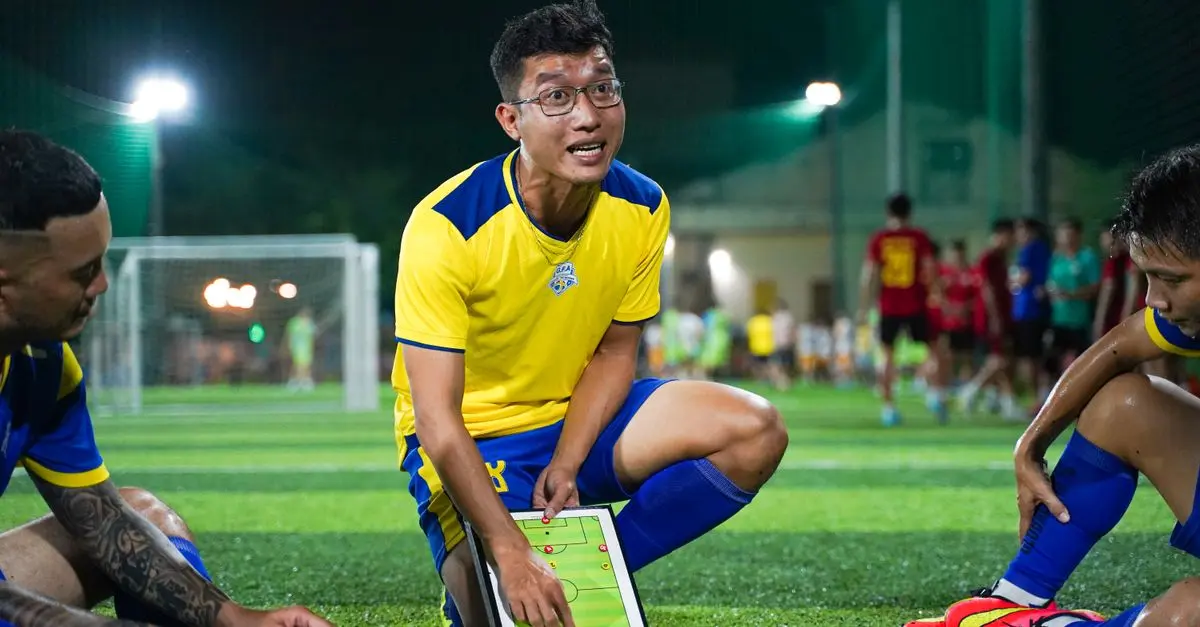
In sports, where time is often limited, clear and concise language is essential. Avoid jargon and complex sentences that could confuse your audience. For instance, during a time-out, give straightforward instructions that players can quickly grasp and apply. Using bullet points or lists can also help convey complex ideas succinctly.
Statistics show that effective communication can improve team performance by up to 20%. Thus, ensure your words are simple yet impactful — making it easier for all involved to understand and act upon your message.
4. Embrace Non-Verbal Communication
While spoken words are important, non-verbal communication often conveys more than what is said. Body language, facial expressions, and gestures can enhance your message and build rapport with your audience. For instance, when coaching, maintaining an open posture and making eye contact can make your players feel valued and understood.
According to a study from UCLA, 93% of communication effectiveness is determined by non-verbal cues. Therefore, being mindful of your non-verbal signals can significantly impact how your message is received and interpreted.
5. Foster an Open Environment
Encouraging open dialogue is vital in any sports environment. Create a space where team members feel safe to express their thoughts and concerns without fear of judgment. This not only fosters trust but also encourages creative problem-solving and team cohesion.
A 2025 survey from Sports Management Journal found that teams with open communication lines showed a 30% increase in performance metrics. Regular team meetings and feedback sessions can facilitate this openness, allowing everyone to contribute their insights and ideas.
6. Tailor Feedback to the Individual
Not everyone responds to feedback in the same way. Some athletes may appreciate direct criticism, while others may thrive on positivity. Tailoring your approach can lead to better results. Use specific examples when giving feedback, and frame it constructively.
For instance, instead of saying, "You did not perform well today," try "I noticed you struggled with your defense in the second half; let's work on that together during practice." This method not only provides clarity but also sets a collaborative tone for improvement.
7. Use Technology Wisely
In 2026, technology plays an increasingly vital role in sports communication. From social media updates to video analysis tools, effectively leveraging technology can enhance your communication strategy. Use platforms like Instagram and Twitter to engage fans, share updates, or promote events.
Moreover, video analysis software can provide instant feedback for athletes, allowing them to see their performance critically. Incorporating technology ensures that your communication is timely and reaches a broader audience effectively.
8. Practice Cultural Sensitivity
In today’s global sports environment, practicing cultural sensitivity is essential. Be aware of diverse backgrounds and how cultural differences can influence communication styles. For example, in some cultures, direct eye contact might be viewed as confrontational, while in others, it is a sign of respect.
Training in cultural competence can help reduce misunderstandings and foster a more inclusive team atmosphere. This awareness not only enhances team dynamics but also builds a positive reputation for your brand, attracting diverse talent and fans alike.
9. Encourage Questions
Encouraging questions during discussions opens a dialogue and promotes deeper understanding. This practice is crucial during training sessions, where misconceptions can hinder performance. Make it acceptable for players or team members to ask questions, creating an interactive environment where everyone learns together.
Not only does this enhance knowledge retention, but it also empowers individuals to seek clarity, ensuring everyone is on the same page. Typically, teams that promote questions report 25% improved teamwork outcomes compared to those that do not.
10. Evaluate and Improve Continuously
Finally, always seek to improve your communication strategies. Regular self-evaluation or even peer feedback can highlight areas for growth. Share insights during team meetings to learn from each other’s experiences. Additionally, consider conducting anonymous surveys to gather honest feedback on how communication strategies are perceived by the team.
Be open to adapting your approach based on these evaluations. Continuous improvement creates a culture of learning and ensures that your team remains effective and engaged over time.
Checklist before Implementing Sports Communication Strategies
- [ ] Understand your audience’s needs
- [ ] Practice active listening regularly
- [ ] Use concise and clear language
- [ ] Be mindful of non-verbal communication
- [ ] Foster an open and trusting environment
- [ ] Tailor feedback to individual preferences
- [ ] Leverage technology for effective communication
- [ ] Cultivate cultural sensitivity within the team
- [ ] Encourage questions during discussions
- [ ] Seek continuous improvement through feedback
📺 Resource Video
> 📺 For further insights: Mastering Communication in Sports, an informative video on effective communication methods. Search on YouTube: "sports communication strategies 2026".
Glossary
| Term | Definition |
|---|---|
| Active Listening | Engaging fully in a conversation by not only hearing but understanding the speaker. |
| Non-Verbal Communication | Information conveyed through body language, gestures, and facial expressions. |
| Cultural Sensitivity | Awareness and respect for cultural differences in communication styles. |
---
📺 Pour aller plus loin : sports communication strategies 2026 sur YouTube