Table of Contents (14 sections)
What Is Effective Sports Communication?
Effective sports communication is more than just exchanging information among team members. It involves crafting a clear, engaging dialogue that enhances collaboration and performance. This concept encompasses various forms of communication—verbal, non-verbal, written, and digital—that serve to unify a team and cultivate a winning culture. The importance of effective communication cannot be overstated; a 2023 study by the Journal of Sports Sciences found that teams with high communication scores had a 30% higher win rate compared to those with lower scores. This underpins the principle that cohesive communication can enhance not only strategy and execution on the field but also foster better relationships among players, coaches, and staff.
Establish Clear Goals
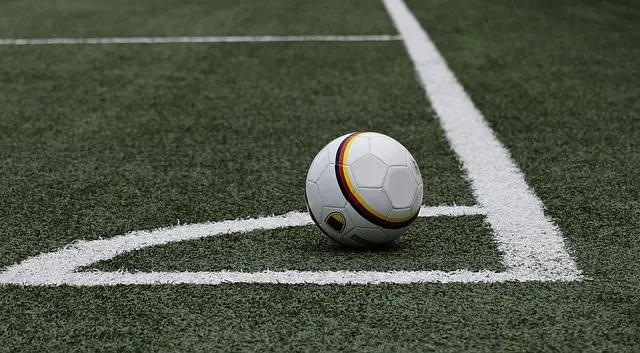
An essential element of effective sports communication is setting clear, actionable goals. Each team member must understand their individual role within the larger framework of the team objectives. By establishing team goals, such as improving performance metrics or enhancing team dynamics, players and coaching staff can align their efforts toward a common purpose. For example, during pre-season meetings, a Soccer team might outline objectives like improving defensive strategies or increasing goal-scoring opportunities. Clearly defined goals enhance accountability and ensure that everyone is working towards the same outcomes, ultimately leading to improved performance. For effective implementation, the SMART criteria—Specific, Measurable, Achievable, Relevant, and Time-bound—should be applied during this goal-setting process.
Foster Open Dialogue
Encouraging an environment of open dialogue is crucial for effective sports communication. When team members feel safe to express their thoughts and concerns, it leads to stronger relationships and enhanced trust. Coaches should invite player input during strategy discussions or practice planning, which fosters a collaborative atmosphere. This open communication can also help identify potential issues early, such as interpersonal conflicts or misunderstandings of roles. For instance, a Basketball coach might hold weekly check-ins where players can share their feelings about game strategies or personal challenges. Studies by the American Psychological Association reveal that teams with strong open communication suffer less from misunderstandings and interpersonal conflicts, leading to improved performance.
Utilize Technology
In today's digital age, leveraging technology can significantly enhance effective sports communication. Various platforms, including team management apps and messaging services, can help streamline communication among teams. Tools like Slack, Trello, or specialized sports apps provide efficient channels for sharing updates, game strategies, and practice schedules. These platforms allow for real-time communication, enabling quick decision-making and adaptability to changing circumstances. For example, a Football team using a dedicated app can instantly relay changes in the game plan or injury updates, ensuring that every team member stays informed. By integrating these technologies, teams can bridge communication gaps and enhance overall effectiveness.
Conduct Regular Meetings
Regular meetings are fundamental for fostering effective sports communication. These gatherings create opportunities for team members to align their thoughts, strategies, and feedback. Weekly team meetings provide a platform to discuss past performances, plan for future matches, and address any pressing concerns. An example of this could be a Volleyball team conducting post-match reviews where players and coaches dissect the game, leveraging video footage to identify strengths and areas for improvement. Regularly scheduled meetings not only enhance transparency but also cultivate a sense of belonging and teamwork, vital for team cohesion.
Encourage Feedback
Offering constructive feedback is a pillar of effective sports communication. Both coaches and players must feel empowered to provide and receive feedback in a constructive manner. This mutual feedback loop promotes continuous growth and development. Coaches should schedule one-on-one sessions with players to discuss individual performances, ensuring feedback is specific and actionable. Moreover, teams can implement anonymous surveys for players to share their experiences and suggestions, thus creating an inclusive communication culture. For instance, many teams employ online platforms to solicit feedback after training sessions or games, allowing for adaptations that increase team synergy and performance.
Non-Verbal Communication Matters
Effective sports communication isn’t just about words; it also heavily relies on non-verbal cues. Body language, facial expressions, and gestures play a critical role in how messages are perceived. For example, a coach’s enthusiasm during a pep talk can significantly influence player motivation levels. Understanding non-verbal signals helps in deciphering unspoken feelings and reactions, which could inform necessary adjustments in tactics or strategies. Players should be trained to recognize and respond to these cues, creating an intuitive communication atmosphere. A recent analysis indicates that teams proficient in non-verbal communication can experience a 25% increase in operational efficiency during games.
Tailor Your Approach
Every athlete is unique in terms of their communication preferences and learning styles. Tailoring your approach to suit individual needs can promote better understanding and retention of information. For instance, younger players might benefit from visual aids or more frequent verbal communication, whereas seasoned athletes may prefer a more direct and succinct approach. Utilizing personalized communication strategies can help address diverse learning styles, ensuring every member comprehends their role and responsibilities. Additionally, coaches can incorporate team-building exercises that cater to various communication preferences, enhancing overall team dynamics.
Celebrate Successes
Recognizing and celebrating team and individual successes are vital components of maintaining high morale and motivation. Whether it’s a well-executed play or a significant win, acknowledging achievements fosters a positive environment that encourages continued effort and collaboration. Celebratory moments can range from informal shout-outs during practice to organized team celebrations following victories. For instance, a Baseball team may host a casual dinner after winning a championship, allowing players to socialize outside competitive settings. Celebrating milestones reinforces team identity and promotes a culture of appreciation, enhancing communication among members.
Continuous Improvement
Effective sports communication is not a one-time goal but an ongoing process of improvement. Teams should regularly assess and refine their communication strategies based on feedback and evolving dynamics. This entails reevaluating goals, soliciting input from team members, and staying adaptable as new challenges arise. For example, post-season reflections may inform adaptations for the upcoming season, ensuring that communication practices evolve to meet changing needs. Teams can also invest in training sessions focusing on communication styles and strategies, ensuring everyone remains updated and proficient.
Glossary
| Term | Definition |
|---|---|
| Effective Communication | The process in which information is conveyed clearly and efficiently, ensuring mutual understanding. |
| Feedback Loop | A system in which the outputs of a process are used as inputs to enhance future performance. |
| Non-Verbal Communication | A form of communication that involves the use of body language, gestures, and facial expressions to convey messages. |
Checklist before Implementation
- [ ] Set clear team goals.
- [ ] Foster open dialogue among team members.
- [ ] Utilize technology for efficient communication.
- [ ] Conduct regular team meetings.
- [ ] Create avenues for constructive feedback.
- [ ] Train on non-verbal communication skills.
- [ ] Tailor communication approaches to individual needs.
- [ ] Celebrate team and individual successes regularly.
- [ ] Implement continuous improvement strategies.
🧠 Quick Quiz: What is a key component of effective sports communication?
- A) Only verbal exchanges
- B) Non-verbal cues
- C) Written communication
Answer: B — Non-verbal cues play a crucial role in how messages are perceived in a sports environment.
📺 For further reading: Understanding the Elements of Sports Communication, a complete analysis of [sports communication practices]. Search on YouTube: "effective sports communication strategies 2026".
📺 Pour aller plus loin : effective sports communication strategies 2026 sur YouTube