Table of Contents (23 sections)
Effective communication in sports is fundamental for athletes and teams aiming for success. Whether you’re a coach, player, or sports manager, mastering communication techniques can enhance both performance and relationships. In this article, we provide ten essential sports communication techniques that are crucial in fostering better understanding and collaboration on and off the field.
1. Understand the Basics of Sports Communication
What is Sports Communication?
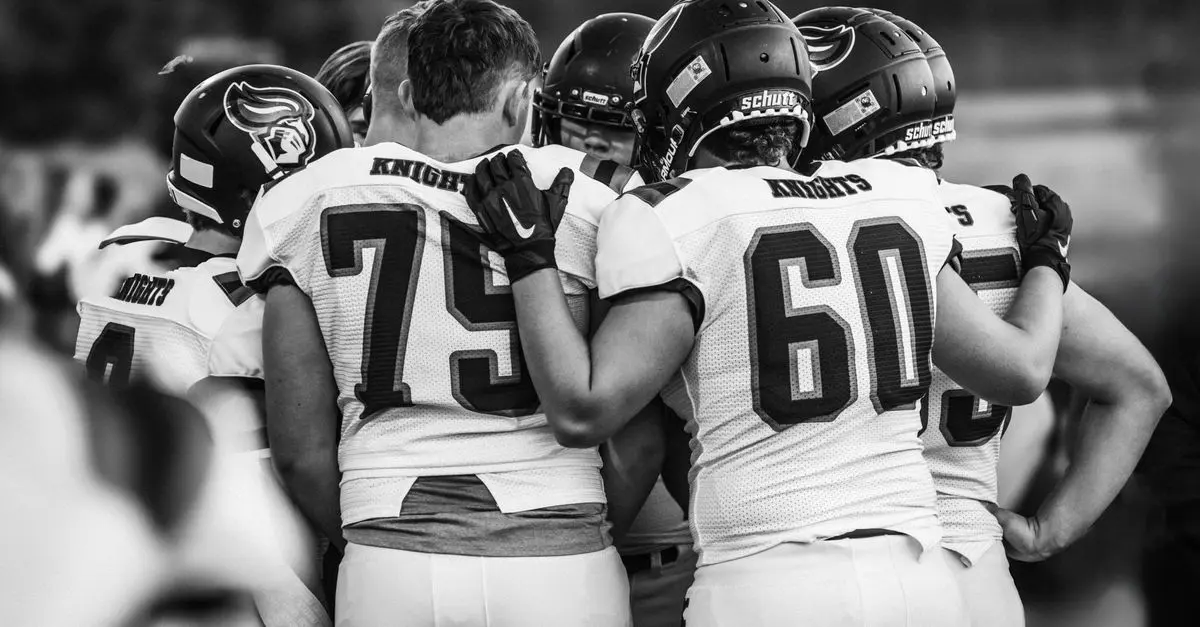
Sports communication encompasses verbal, non-verbal, and written interactions in athletic contexts. It involves not only the delivery of messages but also the interpretation and feedback received from teammates and coaches. Effective sports communication is vital in ensuring clarity in strategies, building trust, and improving overall team dynamics. According to studies, over 70% of communication in sports is non-verbal, highlighting the importance of body language, gestures, and facial expressions. Just like in any organization, clear communication strategies define the success of a team.
2. Active Listening Skills
Why is Active Listening Important?
Active listening goes beyond just hearing words; it involves fully engaging with the speaker, understanding their message, and providing feedback. In a sports setting, this is crucial for processing feedback and strategies from coaches or teammates. By demonstrating active listening, you foster an environment of respect and trust. To practice active listening:
- Maintain eye contact and show attentiveness.
- Summarize what you heard to confirm understanding.
- Ask open-ended questions to delve deeper into discussions.
By implementing these practices, teams can enhance their communication, making strategies more effective.
3. Clarity in Communication
Steps to Ensure Clarity
Being clear and concise in communications is essential in high-stakes environments like sports. Jargon and ambiguous language can lead to misunderstandings and errors during plays. Here’s how to ensure clarity:
- Use simple language that everyone understands.
- Reinforce messages with visual aids when necessary.
- Repeat important information to ensure understanding.
Statistics show that teams with clear communication achieve better results, reducing errors and improving collaboration.
4. Emphasize Non-Verbal Communication
Harnessing Body Language
Non-verbal cues can convey emotions and attitudes often more than words themselves. Understanding body language can strengthen sports communication by allowing you to gauge the emotional state of teammates or opponents. Key aspects to focus on include:
- Posture: Confident posture can empower teammates.
- Facial Expressions: These can indicate motivation or concern.
- Gestures: Proper hand signals can improve teamwork during games.
Recognizing these signs helps athletes adjust their strategies and interactions in dynamic environments.
5. Use of Technology
Enhancing Communication through Digital Tools
In 2026, technology plays a vital role in sports communication. From team management software to video analysis tools, utilizing technology can enhance communication efficiency. Here’s how:
- Implementing platforms like Slack or Trello can centralize discussions and project management.
- Video analysis tools can help dissect plays and strategies effectively.
- Social media can be leveraged for team announcements and motivational messages.
Integrating these tools allows teams to maintain momentum and stay connected, even off the field.
6. Establish a Feedback Culture
Creating an Open Environment
Encouraging a feedback-driven culture within a sports team can greatly enhance communication. It’s important to create an environment where both positive and constructive feedback is welcomed. Strategies to establish this culture include:
- Regular team meetings to discuss performance.
- One-on-one sessions to focus on individual growth.
Statistically, teams that embrace feedback report a 25% increase in overall team performance and morale. This indicates a solid correlation between feedback receptiveness and team effectiveness.
7. Conflict Resolution Techniques
Managing Disputes Effectively
Conflicts may arise in any team setting; knowing how to handle them is crucial. Utilizing proper conflict resolution techniques can aid in resolving issues before they escalate. Steps include:
- Addressing conflicts directly with open communication.
- Keeping discussions focused on the issue, not personal attacks.
- Seeking compromises as a means to resolve disputes.
Research suggests that teams that address conflicts promptly see enhanced cohesion and trust, leading to higher performance levels.
8. Tailoring Communication Styles
Adaptation to Individuals’ Needs
Understanding that each team member might have a different communication style can enhance interactions. Tailoring your style to suit the preferences of teammates can significantly improve rapport. Recognize different styles such as:
- Visual learners may benefit from diagrams.
- Kinesthetic communicators excel with hands-on demonstrations.
By adapting to these preferences, teams experience greater effectiveness in tactical discussions and collaboration.
9. Engaging Team Meetings
Making Meetings More Productive
Regular team meetings are essential for effective communication. However, they must be engaging to keep everyone’s attention. Key techniques include:
- Setting clear agendas to guide discussions.
- Encouraging participation from all members, ensuring their voices are heard.
- Limiting meeting lengths to maintain focus.
A study by Harvard Business Review indicates that effective meetings can boost team engagement by up to 60%.
10. Continuous Improvement
Commitment to Growth
Finally, regularly assessing and refining communication strategies is essential for long-term success. This involves:
- Seeking feedback on communication effectiveness from team members.
- Staying updated with new communication trends and technologies.
- Regular training sessions to improve skills.
Dedicating time to enhance communication skills can create a culture of continuous improvement, significantly benefiting team dynamics.
---
Checklist for Mastering Sports Communication
- [ ] Understand the basics of sports communication.
- [ ] Practice active listening in team discussions.
- [ ] Use clear and concise language when conveying messages.
- [ ] Pay attention to non-verbal communication cues.
- [ ] Integrate technology for efficient communication.
- [ ] Foster a feedback-driven culture.
- [ ] Implement conflict resolution techniques.
- [ ] Adapt communication styles to individuals.
- [ ] Host engaging team meetings.
- [ ] Commit to continuous communication improvement.
📺 Video Resource
> 📺 For further insights: Explore effective sports communication strategies, a detailed analysis of communication techniques in sports. Search on YouTube: sports communication techniques.
Glossary
| Term | Definition |
|---|---|
| Active Listening | Fully engaging with the speaker to confirm understanding and provide feedback. |
| Non-Verbal Communication | Sending and interpreting messages without words, often through body language. |
| Conflict Resolution | Methods employed to resolve disputes effectively within a team setting. |
> 🧠 Quick Quiz: What is the most effective way to enhance sports communication?
> - A) Ignore conflicts
> - B) Foster a feedback culture
> - C) Limit team discussions
> Answer: B — Fostering a feedback culture encourages open communication.
📺 Pour aller plus loin : sports communication techniques best practices sur YouTube